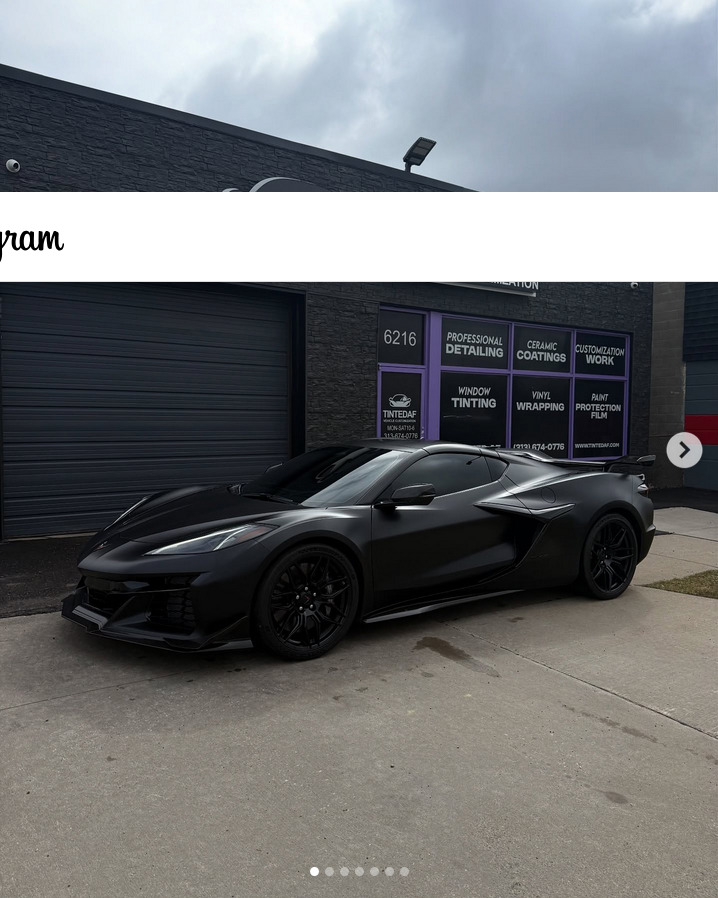
PPF shop at Michigan comes in two finish types that deliver identical physical protection but entirely different visual results. Gloss finish film enhances and deepens the reflective quality of factory paint. Matte finish film transforms a gloss paint surface into a satin or flat aesthetic that changes the entire visual character of the vehicle. Both finish types use the same urethane protection technology that absorbs rock chip impacts, blocks UV radiation, and resists the road salt exposure that Michigan’s five-month winter treatment season delivers to every vehicle on treated roads.
The decision between the two finishes is not a protection decision. It is an appearance decision that has maintenance, cost, and long-term ownership implications that Michigan drivers should understand before booking. TintedAF installs both gloss and matte finish protective film and this guide covers everything Michigan drivers need to know to make the right finish choice for their specific vehicle, driving situation, and aesthetic goals.
Why Finish Type Is a Bigger Decision Than Most Michigan Drivers Expect
Most drivers approach the matte vs gloss decision as a straightforward preference choice. They like one look or the other and they choose accordingly. The decision is actually more consequential than that because matte and gloss finish films have different maintenance requirements, different sensitivity to Michigan’s specific damage conditions, different cost profiles, and different implications for the vehicle’s appearance if the film is eventually removed or replaced.
Understanding these differences before making the finish decision prevents the situation that some drivers encounter after installation where they are committed to a maintenance routine they did not anticipate or an appearance outcome that is more permanent than they expected.
What Makes Matte and Gloss PPF Different From Each Other
Both finish types are thermoplastic urethane film applied to painted surfaces using the same installation process and adhesive system. The protection layer beneath the topcoat is functionally identical in both versions. The difference exists entirely in the topcoat formulation that gives each finish its visual properties.
How Gloss Finish Film Works
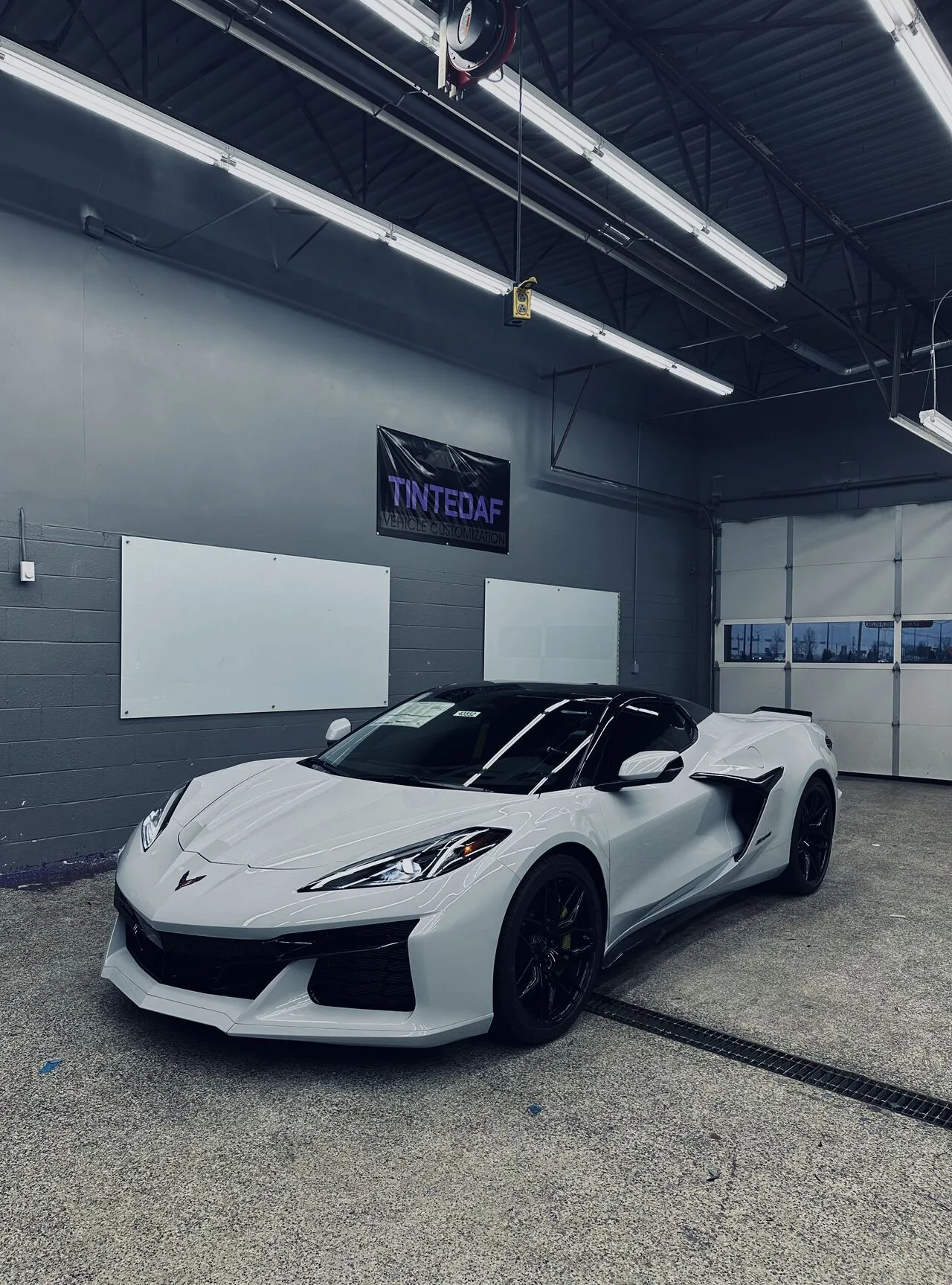
Gloss finish protective film uses a topcoat formulation with a smooth, highly reflective surface structure. When applied over factory paint, the gloss topcoat enhances the depth and richness of the paint color beneath it. The surface reflects light uniformly across the full panel, which produces the wet-look appearance that gloss finish film is known for. On dark paint colors including black, navy, and dark grey, the gloss enhancement is most dramatic. On lighter colors the enhancement is subtler but still produces a cleaner, more uniform reflection than the micro-textured clear coat beneath the film would produce without it.
Gloss finish film also incorporates self-healing topcoat chemistry. Light scratches and swirl marks that disrupt the smooth reflective surface heal when exposed to heat, returning the surface to its uniform gloss appearance without any intervention.
How Matte Finish Film Works
Matte finish protective film uses a topcoat formulation engineered to scatter rather than reflect light. The micro-textured surface structure of the matte topcoat diffuses incoming light in multiple directions rather than reflecting it uniformly back to the viewer. The result is the flat or satin visual quality that matte film produces regardless of the underlying paint color. When applied over gloss factory paint, matte finish film completely transforms the appearance from reflective to flat without any permanent modification to the factory paint beneath.
The matte topcoat also uses a version of self-healing chemistry, but the mechanism works differently than in gloss film. Because the matte appearance depends on the specific micro-texture of the topcoat surface, the self-healing process must restore the texture rather than simply smoothing the surface. Heat application restores the matte texture to its original specification in most cases, but matte finish film is generally considered more maintenance-sensitive than gloss finish film for this reason.
The Visual Difference Between Matte and Gloss in Michigan Conditions
How Gloss Film Looks on Different Paint Colors
Gloss finish protective film produces its most striking visual enhancement on dark paint colors where the depth and richness added by the smooth topcoat creates a noticeably more premium appearance than bare factory clear coat. Black vehicles covered with gloss film have a mirror-quality depth that bare black paint rarely achieves without significant polishing work. Deep metallic colors including dark blue, dark green, and gunmetal grey show the gloss enhancement clearly. White and silver vehicles show a subtler enhancement because the light-colored paint provides less contrast for the depth effect.
How Matte Film Transforms Your Vehicle’s Appearance
Matte finish film is one of the most impactful appearance modifications available to vehicle owners because it completely changes the visual character of the car without any permanent paint modification. A gloss black vehicle becomes a stealthy flat black. A white vehicle becomes a sophisticated satin white. The transformation is reversible because the factory gloss paint beneath the matte film is completely unchanged and returns to its original appearance when the film is removed.
This reversibility makes matte film an attractive option for drivers who want a distinctive appearance during the current ownership period without committing to a permanent paint change that would affect the vehicle at resale. In Greater Detroit’s competitive luxury vehicle market, matte finish film on a black or dark-colored performance vehicle is a popular choice among drivers who want to distinguish their vehicle’s appearance without modifying the factory paint.
Can Matte Film Be Applied Over Gloss Factory Paint
Yes. Matte finish protective film is almost always applied over gloss factory paint because the overwhelming majority of vehicles leave the manufacturer with gloss paint. The matte film converts the visible finish to flat or satin regardless of what is beneath it. The only scenario where applying matte film requires additional consideration is when the factory paint has existing paint protection film already installed. New film applied over existing film produces adhesion quality that is inferior to film bonded directly to prepared paint surface.
Performance Comparison: Matte vs Gloss in Michigan’s Climate
Both finish types provide identical core protection performance including rock chip absorption, UV blocking, and the chemical resistance that buffers Michigan road salt chemistry. The performance differences that exist between them are specific to Michigan’s thermal cycling and maintenance demands.
Heat Rejection and UV Protection
Heat rejection and UV blocking performance is identical between matte and gloss finish film at the same product tier because both use the same urethane protection layer beneath different topcoats. The topcoat finish type does not affect the film’s infrared blocking or UV blocking capability. Michigan drivers choosing between the two finishes on the basis of thermal performance are choosing between equivalent protection levels in this category.
Self-Healing Performance by Finish Type
Gloss finish film self-heals more reliably and more completely than matte finish film under Michigan’s heat conditions. The self-healing mechanism in gloss film restores a smooth uniform surface that is visually indistinguishable from the original after healing. The self-healing mechanism in matte film must restore a specific micro-texture rather than a simple smooth surface, which makes the healing process more variable and the result less consistently perfect than in gloss film.
Michigan’s summer temperatures actively trigger self-healing in both finish types during afternoon parking sessions. For gloss film, this passive healing cycle manages the minor scratch accumulation from daily driving effectively. For matte film, minor scratches may require heat gun application by a qualified technician to restore the texture precisely rather than relying entirely on passive sun-heating for complete restoration.
How Road Salt Affects Each Finish Type Differently
Road salt exposure from Michigan’s winter treatment season contacts both finish types equally during every winter commute. The edge adhesive performance that determines how well any film resists salt infiltration through Michigan winters is identical between matte and gloss finish products at the same quality tier because the adhesive system is the same regardless of topcoat type.
The maintenance difference that salt creates between the two finishes is in cleaning. Salt deposits on gloss film are visible as white residue on the dark reflective surface and are straightforward to identify and address. Salt deposits on matte film are less visually obvious against the flat surface texture, which means Michigan drivers with matte finish coverage need to wash more conscientiously and consistently during the winter salt season to prevent salt accumulation from sitting on the film longer than on gloss finish where the deposits are more immediately visible.
Maintenance Differences Between Matte and Gloss Film
Maintenance is the most practically significant difference between the two finish types for Michigan daily drivers. The maintenance requirements are genuinely different in ways that affect the daily ownership experience.
How to Maintain Gloss Finish Film in Michigan
Gloss finish paint protection film maintenance follows the same approach as maintaining any ceramic-coated or high-quality paint surface. Hand washing with pH-neutral automotive shampoo and a soft microfiber mitt is the recommended approach. Two-bucket technique prevents contamination from being reapplied during washing. Gloss finish film benefits from annual maintenance booster product application that refreshes the outermost sacrificial layer and extends the full hydrophobic performance period across additional Michigan seasons. Automated car washes with rotating brushes introduce abrasive contact that degrades the gloss topcoat surface across multiple wash cycles and should be avoided.
How to Maintain Matte Finish Film in Michigan
Matte finish film maintenance requires additional restrictions beyond what gloss finish demands. The micro-textured surface that creates the matte appearance is sensitive to products and techniques that are acceptable on gloss film but that alter or destroy the matte texture.
Wax and gloss-enhancing detailing products must never be applied to matte film because they fill the micro-texture that creates the flat appearance and produce an uneven semi-gloss finish that is difficult to reverse without professional intervention. Spray detailers and quick-detail products must be specifically formulated for matte surfaces. Standard automotive detailing products marketed for painted surfaces are typically formulated to enhance gloss, which directly conflicts with what matte film requires. In Dearborn Heights, Sterling Heights, and across Greater Detroit, PPF in a matte finish requires a dedicated product set that some Michigan drivers find more demanding than they anticipated before installation.
Products That Damage Each Finish Type
Both matte and gloss finish film share common chemical sensitivities. Ammonia-based glass cleaners degrade film adhesive chemistry on contact and should never be used on any window tint or film surface. Solvent-based cleaning products and petroleum-based dressings that contact the film surface damage both finish types. Abrasive polishing compounds intended for paint correction must never be used on either film finish because they remove topcoat material rather than restoring it.
Gloss finish film has an additional sensitivity to abrasive washing media including rough sponges and dirty wash mitts that introduce the swirl marks the self-healing system must then manage. Matte finish film has the additional sensitivity to gloss-enhancing products described above and to high-pressure water directed specifically at the micro-texture surface rather than general washing pressure.
Cost Comparison: Matte vs Gloss Film in the Michigan Market
Why Matte Film Costs More Than Gloss
Matte finish paint protection film carries a price premium over gloss finish at every coverage level. In the Dearborn Heights and Sterling Heights market, matte finish film typically costs 15 to 25 percent more than equivalent gloss finish coverage for the same panels and vehicle. The premium reflects the more complex topcoat chemistry required to produce consistent matte texture across large panel areas, the lower production volumes of matte products compared to gloss, and the additional installation care required to ensure uniform matte appearance across all covered panels without visible texture variation at panel edges and overlaps.
Is the Matte Premium Worth It in Michigan
The matte premium is worth the extra cost for Michigan drivers who specifically want the flat finish appearance and understand the maintenance requirements that come with it. For drivers who are choosing matte primarily because they have heard it looks premium without a specific aesthetic vision for their vehicle, the gloss finish delivers superior self-healing performance, simpler maintenance, and lower cost while providing identical physical protection.
The matte premium is most clearly justified for dark-colored performance vehicles and luxury cars where the flat finish aesthetic creates a distinctive appearance that directly reflects a specific ownership vision. For daily driver sedans and SUVs where the primary motivation is paint protection rather than appearance transformation, gloss finish delivers all the protection at a lower cost with more forgiving maintenance requirements for Michigan’s demanding driving season.
Which Finish Type Is Right for Your Vehicle
Gloss Film Is Right for These Michigan Drivers
Gloss finish protective film is the right choice for Michigan daily drivers who want maximum paint protection with straightforward maintenance, for new vehicle owners who want to preserve the factory finish without changing the vehicle’s appearance, for high-mileage commuters on Michigan’s highway corridors who want the self-healing performance advantage for managing the minor scratch accumulation of daily driving, and for budget-conscious drivers who want the lower price point of gloss coverage without sacrificing any protection performance.
TintedAF installs gloss finish paint protection film at both Dearborn Heights and Sterling Heights as the standard recommendation for daily drivers across Greater Detroit because gloss finish combines maximum protection performance, reliable self-healing, straightforward Michigan winter maintenance, and the lowest price point in the protective film category.
Matte Film Is Right for These Michigan Drivers
Matte finish protective film is the right choice for Michigan drivers who have a specific aesthetic vision for their vehicle’s appearance that the flat finish delivers, for luxury and performance vehicle owners who want a distinctive look that stands apart in Greater Detroit’s automotive-aware market, for drivers who understand and accept the additional maintenance restrictions that come with matte finish and are committed to the dedicated product set it requires, and for any driver considering a permanent paint change to matte who wants a reversible alternative that achieves the same visual result without permanent commitment.
What Happens When You Want to Change Finish Later
Both finish types can be removed and replaced without any permanent impact on the factory paint beneath. Gloss film removed after years of Michigan service typically reveals factory paint in better condition than equivalent unprotected vehicles of the same age. Matte film removed after years of service reveals the original gloss factory paint completely unchanged beneath it, which means a driver who wants to return to a gloss appearance simply removes the matte film and the original finish is restored.
Drivers who want to switch from one finish type to the other during the same vehicle ownership period can do so through a complete film removal and reinstallation at either TintedAF. The removal process is the same regardless of which finish type is being replaced, and the new installation begins fresh on the prepared paint surface.
Conclusion
Matte and gloss finish paint protection film deliver identical physical protection from Michigan’s rock chips, road salt, UV exposure, and thermal cycling. The decision between them is an appearance and maintenance decision rather than a protection decision. Gloss finish provides the simpler maintenance routine, more reliable self-healing performance, and lower cost that make it the practical choice for most Michigan daily drivers. Matte finish delivers the distinctive flat aesthetic that transforms a vehicle’s appearance without permanent paint modification, justified for drivers with a specific visual goal and commitment to the dedicated maintenance it requires.
TintedAF installs both gloss and matte finish protective film with the precision installation and controlled environment that produces consistent finish results across Michigan’s demanding seasonal conditions. The right finish for your specific vehicle starts with seeing both options in person before committing to either.
Frequently Asked Questions
Can matte finish film be applied to any paint color in Michigan?
Yes. Matte finish film converts any gloss paint surface to a flat or satin appearance regardless of the underlying color. The transformation is most visually dramatic on dark colors including black, dark grey, and dark blue where the contrast between the flat and reflective finishes is most pronounced. Light colors including white, silver, and champagne also convert effectively to matte, producing a sophisticated satin tone that differs distinctly from the original factory gloss finish.
Does matte finish film require different washing products in Michigan winters?
Yes. Matte finish film requires pH-neutral automotive shampoo specifically compatible with matte surfaces and dedicated matte-safe detailing products for between-wash maintenance. Standard automotive detailing sprays and wax products enhance gloss and must not be used on matte film. During Michigan winters, more frequent washing is recommended for matte finish coverage than for gloss because road salt deposits are less visually obvious against the flat surface and can accumulate for longer before being detected.
How long does matte finish film last compared to gloss finish film in Michigan?
Both finish types deliver equivalent warranted lifespans at the same product tier because the urethane protection layer and adhesive system are identical. The matte topcoat’s texture may show the effects of Michigan’s thermal cycling and washing cycles earlier than gloss topcoat in the form of subtle texture variation before the underlying protection layer shows any degradation. With correct maintenance and appropriate product use, both finishes consistently achieve their warranted lifespan through Michigan’s seasonal demands.
Can I apply ceramic coating over matte finish film in Michigan?
Yes, but only using ceramic coating products specifically formulated for matte surfaces. Standard ceramic coatings are designed to enhance gloss and applying them over matte film fills the micro-texture and produces an inconsistent semi-gloss appearance that defeats the purpose of the matte finish. Matte-compatible ceramic products provide the hydrophobic protection and UV blocking benefits of ceramic coating without altering the flat visual appearance of the matte film. TintedAF advises on appropriate matte-compatible coating options at both locations when discussing matte finish installation.
What happens to the factory gloss paint if matte finish film is removed after several years in Michigan?
The factory gloss paint beneath matte finish film is completely unchanged by the film’s presence. Matte finish film removal in Michigan performed correctly using heat and proper technique reveals the original gloss factory paint in the condition it was in at installation, which is typically significantly better than equivalent unprotected vehicles of the same age because the film absorbed the damage that would otherwise have accumulated on the paint surface. The factory gloss finish returns immediately upon film removal with no additional treatment required.
Our Other Blogs Related to Paint Protection Film
- Full Front PPF vs Full Body PPF: Which Is Worth It in Michigan?
- How Long Does Paint Protection Film Last in Westland’s Climate?
- How Long Does Paint Protection Film Last in Livonia, MI? | TintedAF Expert Guide
- Weather Effects on PPF Durability in Inkster MI and What Drivers Should Know
- How to Maintain Paint Protection Film in Redford Winters