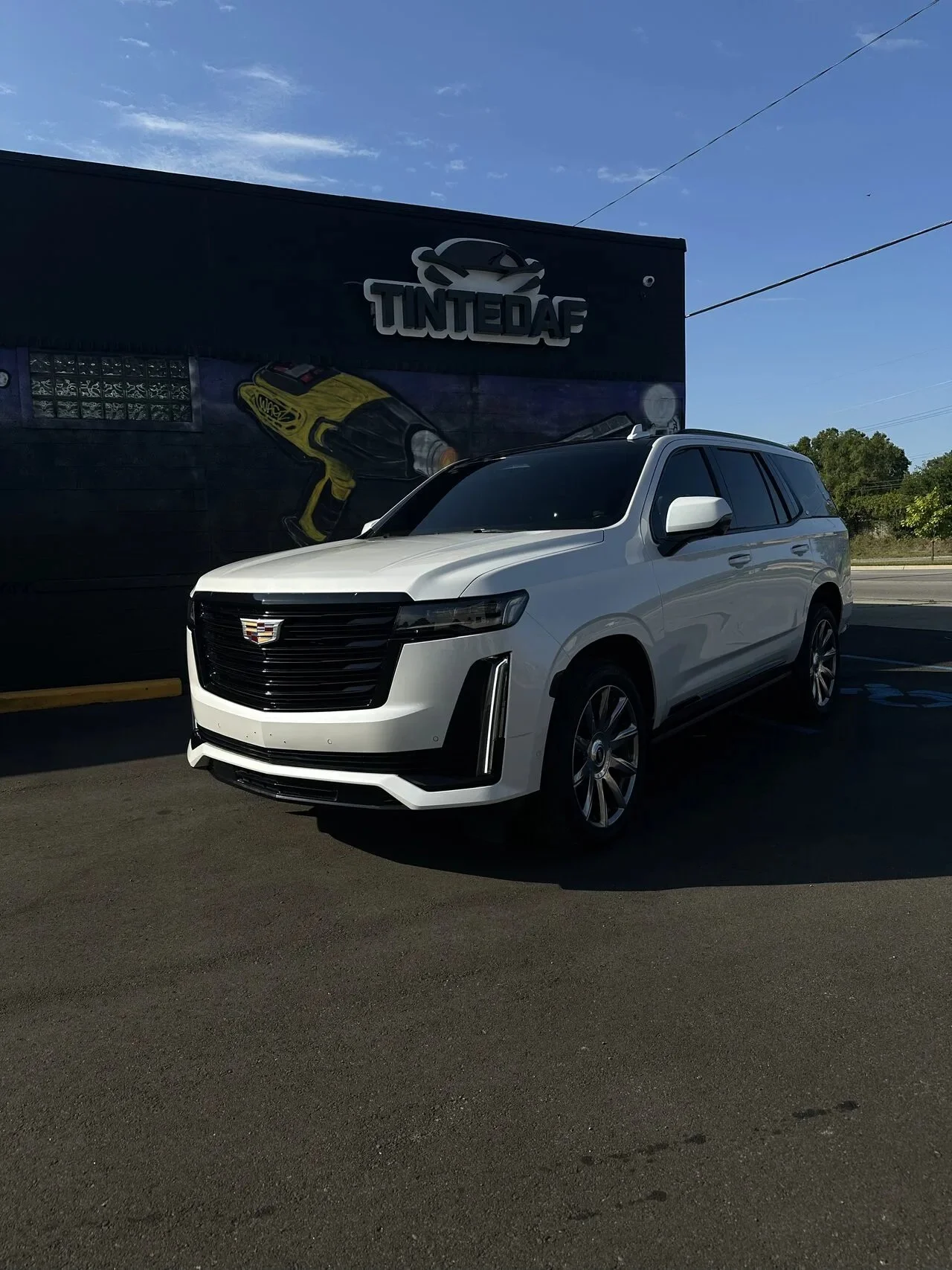
Ever notice a car with purple, blotchy, peeling window tint? That is what happens when tint is either low quality or poorly cared for. Good tint should stay looking clean, crisp, and dark for many years. So how long does window tint really last, and what can you do to make yours stick around as long as possible? The honest answer depends on three things: the type of film you pick, the quality of the install, and how you care for it after.
This guide from TintedAF walks you through everything Michigan drivers need to know about car window tinting in Michigan, from lifespan to daily care habits. By the end, you will know exactly how to protect your tint through Michigan winters, hot summers, and everything in between. Already have tint on your car, or thinking about getting it? Either way, the tips below help you get the most out of your investment for years to come.
The Short Answer on Window Tint Lifespan
Let’s cut to the chase. Most Michigan drivers want a real number before diving into all the details.
What Most Michigan Drivers Get
Most car window tint in Michigan lasts anywhere from 3 to 10 years, depending on the type of film. Cheap dyed film may only make it three to five years. Premium ceramic film can easily last 10 years or more. The gap is huge, and it comes down to what you pay for at install time.
Why Michigan Matters More Than Most States
Michigan is tough on window tint. Between hot summers, freezing winters, road salt, and constant temperature swings, tint here works harder than in most places. That is why choosing the right film and the right shop is so important. Cheap tint that might survive in a mild climate falls apart fast in Michigan.
How Long Each Type of Window Tint Lasts
Not all tint is the same. Here is a quick breakdown of the main types and how long each one usually lasts.
Dyed Film
Dyed film is the cheapest option on the market. It uses a layer of dye to darken the glass. The problem is, sunlight breaks down that dye over time. In Michigan, dyed film typically lasts 3 to 5 years before it starts turning purple, fading, or bubbling. Great for buyers on a tight budget, but not the best long-term choice.
Carbon and Metallic Film
Carbon film uses tiny carbon particles instead of dye. It holds color better and blocks more heat. Metallic film uses metal flakes for even stronger heat rejection. Both types typically last 5 to 7 years in Michigan conditions. The downside of metallic is that it can block cell signals and GPS, so many drivers skip it these days.
Ceramic and Nano-Ceramic Film
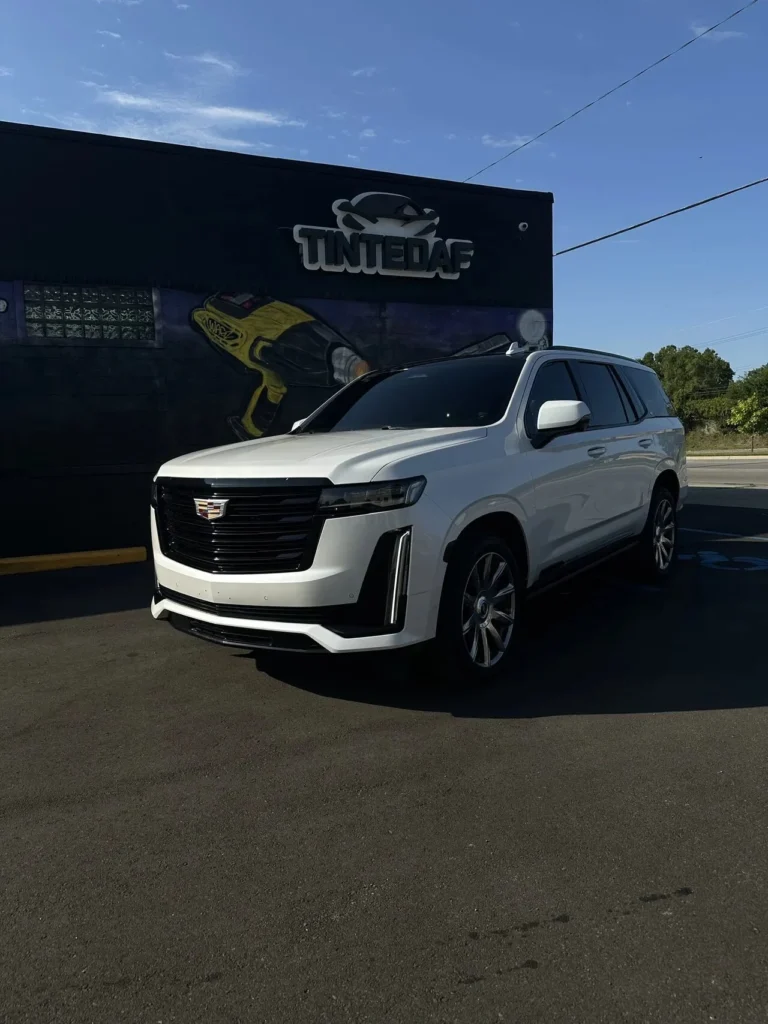
Ceramic tint is the top of the line. It uses ceramic nanoparticles that block heat and UV rays without fading. It also does not interfere with cell signals or GPS. Ceramic film typically lasts 7 to 10 years or more in Michigan, even under harsh weather. Nano-ceramic is an even more advanced version that performs at an even higher level. This is what most premium shops recommend, and it is what the team at TintedAF installs on most vehicles that come through the shop.
What Shortens the Life of Car Window Tint
Even the best film in the world can fail early with bad habits. Here are the biggest mistakes drivers make that cut tint life short.
Rolling Windows Down Too Soon
Right after your tint is installed, the adhesive needs time to bond with the glass. Rolling your windows down too early can peel the film right off the edges. Most shops say to wait at least 2 to 5 days before touching your windows, longer in colder or damp weather.
Harsh Cleaners and Ammonia
Ammonia is the number one enemy of window tint. Products like Windex often contain it, and they slowly break down the film. Even one wipe with the wrong cleaner can start the damage. Always use an ammonia-free cleaner and a soft microfiber cloth. Never use paper towels, rough cloths, or abrasive sponges.
Ice Scrapers and Winter Habits
Here is a big one for Michigan drivers. Ice scrapers on your inside windows can scratch or gouge the tint film. Scraping frost on the inside of the car is a common winter habit, and it ruins tint fast. Warm the car up with the defroster instead, and let the ice melt before wiping.
Warning Signs Your Window Tint Is Failing
Tint does not usually fail all at once. It gives you signs early on. Catching them helps you plan for replacement before things get ugly.
Purpling and Fading
The most common sign of dying tint is that purple, blotchy look you see on old cars. It happens because the dye in cheap film breaks down under UV light. Once purpling starts, there is no way to reverse it. The film just needs to be replaced.
Bubbling and Peeling
Small bubbles at the edges are usually a sign that the adhesive is failing. This can happen from poor installation, low-quality film, or ammonia damage. Once the film starts peeling, water and dirt get under it and make things worse.
Hazy or Cloudy Look
Old tint can turn cloudy or hazy. This can be caused by ammonia damage, adhesive breakdown, or scratches from paper towels. A hazy film also blocks your view at night, which is a real safety issue.
How to Care for Your Car Window Tint in Michigan
Care starts the day your tint is installed and continues for years. Here is what to do to keep your automotive window tinting in Michigan looking crisp for as long as possible.
The First 30 Days
The first month after install is the most important. The film is still curing during this time. Follow these key rules:
- Do not roll your windows down for at least 2 to 5 days, and even longer in cold or damp weather.
- Do not clean the tinted surface for at least a week. The film needs time to bond with the glass.
- Expect some haziness and water bubbles during the first few weeks. This is normal and clears up as the film cures.
- Park in a garage or shaded spot when possible during the curing period.
- Skip car washes with high-pressure nozzles for the first couple of weeks.
Following these rules gives your tint the best possible start.
Long-Term Cleaning Habits
Once your tint is fully cured, keep it looking great with these simple habits:
- Use an ammonia-free glass cleaner made for tinted windows.
- Wipe with a soft microfiber cloth, never paper towels or scratchy rags.
- Spray the cleaner on the cloth, not directly on the window. This keeps liquid from seeping under the film edges.
- Wipe gently and avoid heavy scrubbing on the edges of the film.
- Clean regularly to stop dust and grit from building up.
Small habits like these add years to your tint’s life.
Parking and Sun Protection
Where you park matters more than you think. Constant sun exposure fades tint faster, especially cheaper films. Park in a garage, carport, or shaded spot whenever possible. Sunshades on your windshield also help lower interior heat and protect the tint on your other windows.
Why Michigan Weather Is So Tough on Tint
Michigan drivers face weather challenges most states never see. Understanding these helps you protect your tint better.
Freeze-Thaw Cycles
Michigan winters bring constant freeze-thaw cycles. Glass expands and contracts with the temperature swings, and so does the film on top of it. Cheap film cracks or lifts under this stress. Premium film handles it much better, which is one more reason to spend a bit more upfront.
Summer Sun and Long Winter Nights
Michigan summers bring strong UV rays that break down low-quality tint fast. Winters bring long stretches of dark, damp weather that can trap moisture around window edges. Both extremes stress the film. The best defense is high-quality ceramic tint installed by pros who know how to handle Michigan conditions.
Drivers looking for professional window tinting in Michigan should always ask about the film’s warranty and how the shop handles seasonal challenges. Trusted teams like TintedAF in Dearborn Heights use premium films built for Michigan’s extreme swings.
How TintedAF Helps Your Tint Last Longer
Not every shop takes the extra care needed to give tint a long life. TintedAF has built its reputation on doing tint right, from the film choice to the final wipe-down.
Every job starts with a clean, controlled environment so no dust gets trapped under the film. The installer uses premium ceramic and nano-ceramic film brands known for handling Michigan weather. Every install comes with clear care instructions, so drivers know exactly what to do in the first 30 days and beyond. Many jobs also include a strong warranty, which protects drivers from early failure.
That combination of premium film, careful install, and honest guidance is what separates a tint job that lasts 10 years from one that starts peeling in year two.
Smart Habits That Add Years to Your Tint
Beyond the basics, a few extra habits can stretch your tint’s life even further. Try these:
- Never scrape ice on the inside of tinted windows. Warm the car up first and let the ice melt.
- Watch out for seat belts snapping back and hitting the window. This can chip the film over time.
- Keep pets away from the windows. Nails can scratch the film, especially in the back seat.
- Avoid slamming doors with the windows up. Slight glass flex can weaken tint edges over time.
- Do not stick suction-cup phone mounts, GPS units, or window decals on tinted glass. The suction can damage the film when removed.
- Give your tint a quick check every few months for signs of edge lifting or small bubbles. Catch problems early.
Small habits like these might sound minor, but they add up over the years. A well-cared-for ceramic tint can look just as good on year 10 as it did the day you drove out of the shop.
Final Words
Window tint is one of the best long-term upgrades a Michigan driver can make. It cuts heat, blocks UV rays, adds privacy, and protects your car’s interior from sun damage. The trick to getting the most out of your tint is picking the right film, having it installed by pros, and treating it right for the life of your car. Cheap tint saves money at install but costs more in replacements down the road. Premium tint from a trusted shop pays for itself many times over through years of dependable performance. Take care of your tint, and it will take care of you every time you slide behind the wheel.
Frequently Asked Questions
How long should professional window tint last in Michigan?
Premium ceramic tint installed by a skilled shop can easily last 10 years or more in Michigan, even with harsh winters and hot summers. Cheaper dyed film may only last three to five years before fading or bubbling. The film you choose has the biggest impact on lifespan.
When can I roll my windows down after getting them tinted?
Wait at least 2 to 5 days before rolling your windows down, and longer in cold or damp weather. The adhesive needs time to bond with the glass. Rolling windows down too early can peel the film right off the edges.
What cleaner is safe for tinted windows?
Only use ammonia-free glass cleaners on tinted windows. Regular Windex contains ammonia and slowly breaks down the film. Look for cleaners labeled “safe for tinted windows” or make a simple mix of water and a tiny bit of dish soap.
Can window tint be repaired once it starts peeling or bubbling?
No. Once tint starts to fail, the film cannot be repaired. It has to be removed and replaced. Catching the damage early lets you plan for replacement before things get worse. Some warranties cover early failure, so check with your installer.
Does tinting damage my car’s original windows?
When installed by trained pros, tint does not damage the glass. It also does not damage the factory glass when removed later. The key is professional installation and safe removal. DIY tint jobs are more likely to leave scratches or adhesive residue behind.