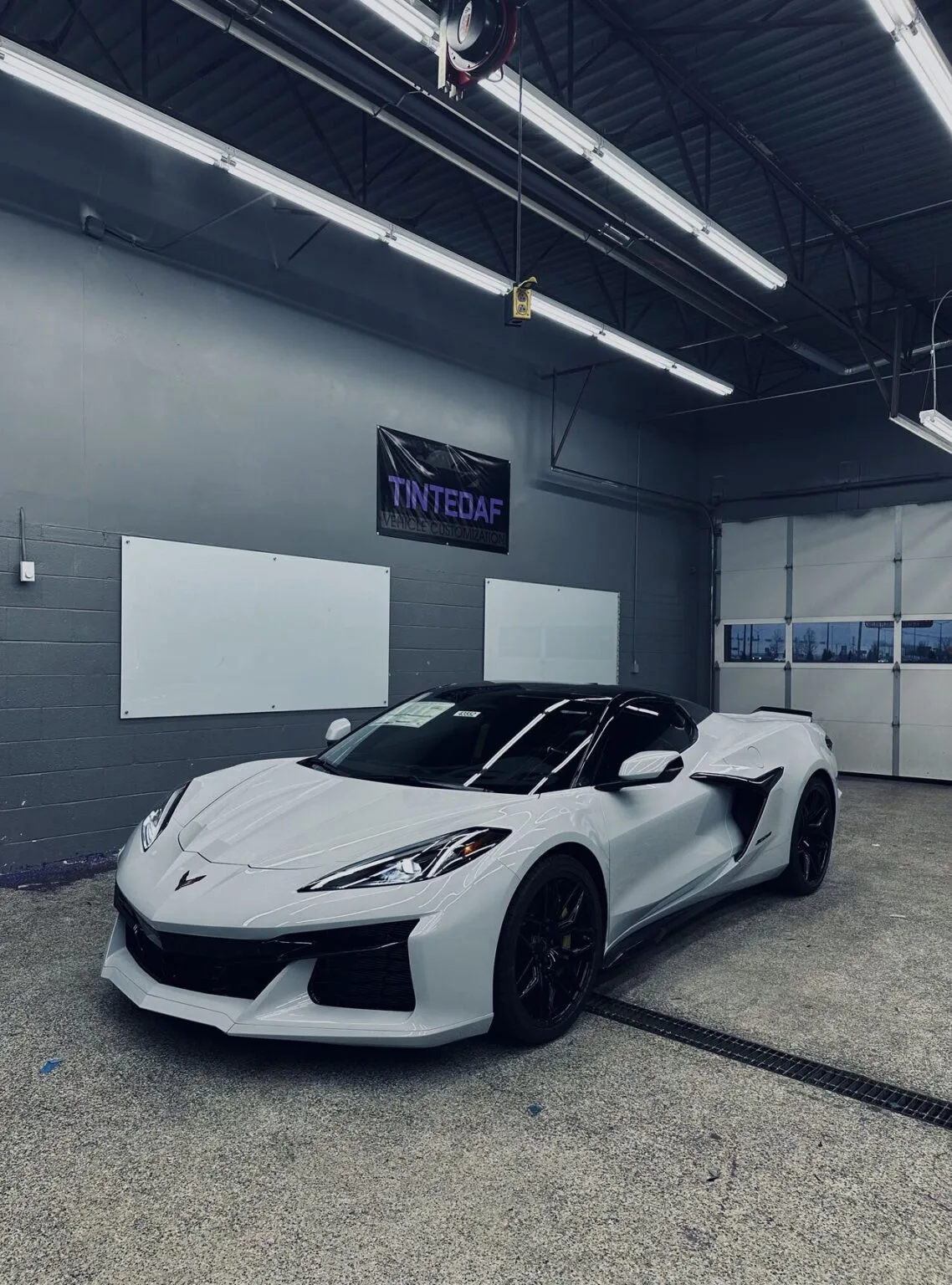
Driving around Westland Shopping Center or taking the kids to Yoyo’s Fun Center, you’ve probably noticed how Michigan weather can be pretty rough on vehicles. One minute you’re dealing with scorching summer sun, the next you’re navigating through salty winter slush that seems determined to eat away at your car’s finish. That’s where Paint Protection Film in Westland, MI becomes more than just an accessory, it’s a strategic investment in preserving your vehicle’s appearance and value. But before you commit to this protective solution, you’re probably wondering exactly how long it will actually last in our unique local climate.
The answer isn’t as straightforward as you might hope, but that’s because several factors influence the longevity of Paint Protection Film shop in Westland, MI. From the quality of the film itself to how it’s installed and maintained, each element plays a crucial role in determining whether your investment lasts five years or pushes toward a decade. Professional installers at TintedAF understand these variables intimately, having worked with countless vehicles facing the same harsh conditions you encounter daily. Let’s dive into what you can realistically expect from paint protection film in our area and what factors influence its lifespan so you can make an informed decision about protecting your vehicle.
Understanding Paint Protection Film and Its Purpose
Paint protection film, often called clear bra or PPF, is essentially a transparent, thermoplastic urethane film applied to your vehicle’s painted surfaces. Think of it as an invisible shield that takes the beating so your paint doesn’t have to. This film absorbs the impact from rock chips, bug splatter, bird droppings, and minor scratches that would otherwise damage your vehicle’s finish.
Technology has come a long way since its early days. Modern films are self-healing, meaning minor scratches disappear with heat exposure. They’re also hydrophobic, repelling water and making your vehicle easier to clean. For drivers in our area, this protection becomes particularly valuable given our challenging road conditions throughout the year.
Westland’s Unique Climate Challenges
Living in southeastern Michigan means your vehicle faces a unique combination of weather extremes. Understanding these conditions helps you set realistic expectations for protective film performance.
Seasonal Temperature Fluctuations
Westland experiences significant temperature swings. Summer temperatures regularly climb into the 80s and 90s, while winter can plunge well below freezing. These dramatic shifts cause materials to expand and contract repeatedly, which can stress protective films over time. Your vehicle parked at Norwayne or near Palmer Rd & Venoy Rd experiences these same cycles season after season.
Winter Road Salt and De-Icing Chemicals
Here’s where Michigan really tests protective films. The road salt and calcium chloride used during winter months are incredibly corrosive. While these chemicals keep roads safe, they create a harsh environment for automotive surfaces. Paint protection film acts as a barrier against these corrosive materials, but the constant exposure does affect the film’s long-term durability.
Average Lifespan of Paint Protection Film in Westland, MI
So let’s get to the numbers you’re really after. In Westland’s climate, quality paint protection film typically lasts between 5 to 10 years. That’s a pretty wide range, right? The actual lifespan depends on several factors we’ll explore.
Premium films from reputable manufacturers generally hit the 7-10 year mark when properly maintained. Mid-tier products usually perform well for 5-7 years. Budget options might only last 3-5 years before showing significant wear. Remember, these aren’t guarantees, they’re averages based on typical conditions and care.
Quality and Brand Variations
Not all films are created equal. Top-tier brands invest heavily in UV inhibitors, self-healing technology, and adhesive formulations that withstand temperature extremes. These premium products cost more upfront but deliver better longevity and appearance retention. Budget films might seem attractive initially, but they often yellow, peel, or crack prematurely in Michigan’s harsh environment.
Installation Standards Matter
Even the best film won’t last if it’s poorly installed. Professional installation ensures proper surface preparation, correct tension during application, and clean edges that resist lifting. At TintedAF, experienced installers understand how local climate factors affect installation techniques, adjusting their methods for optimal adhesion and longevity.
Factors That Impact Film Longevity in Local Conditions
Several environmental and usage factors determine how long your investment lasts.
UV Exposure and Sun Damage
Michigan might not be California, but we still get plenty of sunshine, especially during summer months. UV rays gradually break down the chemical bonds in protective films, causing yellowing and reduced clarity. If you park outdoors near Westland MI Historic Village Park or anywhere without shade, your film faces more UV exposure than garage-kept vehicles.
Quality films include UV stabilizers that slow this degradation process. However, even premium products eventually succumb to years of sun exposure. Horizontal surfaces like hoods and roofs typically show UV damage first since they face the sun most directly.
Moisture and Humidity Effects
Our climate brings significant humidity, particularly in spring and summer. Moisture can work its way under poorly installed or aging film, causing bubbling or haziness. Winter’s freeze-thaw cycles compound this issue. Water that seeps under the film’s edges can freeze, expand, and gradually work the adhesive loose.
Maintenance Practices to Extend Film Life
Want to maximize your film’s lifespan? Regular maintenance makes a huge difference.
Wash your vehicle regularly—at least every two weeks during winter to remove salt buildup. Use pH-neutral car wash soap rather than harsh detergents. Avoid automatic car washes with stiff brushes that can catch film edges. Hand washing or touchless washes work best.
Apply a quality sealant or wax designed for use on paint protection film every few months. This adds another layer of UV protection and keeps the surface hydrophobic. After visiting places like Ninja Kidz Action Park with the family, check for any debris stuck to the film and remove it promptly before it causes staining.
Signs Your Paint Protection Film Needs Replacement
How do you know when your film has reached the end of its useful life? Watch for these indicators:
Yellowing or discoloration that doesn’t wash away signals UV damage has progressed too far. Peeling edges, especially around door handles and mirror bases, indicate adhesive failure. Bubbling or haziness under the film means moisture has penetrated. Deep scratches that don’t self-heal anymore show the film has lost its protective properties.
If you notice any of these issues across multiple panels, it’s probably time for replacement rather than attempting repairs.
Professional Installation vs. DIY Considerations
Let’s address the elephant in the room, can you install paint protection film yourself? Technically yes, but should you? That’s a different question entirely.
Paint protection film installation requires specialized tools, a controlled environment, and significant skill. Even small mistakes during installation can reduce the film’s lifespan considerably. Improper surface preparation leaves contaminants that prevent proper adhesion. Stretching the film incorrectly creates stress points that fail prematurely. Poor edge work allows moisture intrusion.
Professional installers like at TintedAF invest in training, proper equipment, and quality control processes that DIY installations simply can’t match. They also typically offer warranties that protect your investment. When you’re looking at a product that should last 7-10 years, proper installation from the start makes economic sense.
Conclusion
Paint Protection Film in Westland, MI faces some tough conditions, from summer’s UV assault to winter’s salt onslaught, but quality film professionally installed can still deliver 7-10 years of excellent protection. Whether you’re commuting down Annapolis Park Historic District or heading to Eloise Asylum for some spooky fun, your vehicle’s paint stays protected beneath that transparent barrier. The key to maximizing longevity lies in choosing quality products, ensuring professional installation, and maintaining the film properly throughout its life. Yes, it’s an investment, but considering the cost of repainting damaged panels, it’s one that pays dividends for years to come.
Maintaining paint protection film in Redford winter involves regular washing to remove road salt, avoiding ice scrapers, and using gentle cleaning methods to prevent scratches and adhesive damage in cold conditions.
FAQs
Does paint protection film really prevent all scratches and chips?
Paint protection film significantly reduces damage from road debris, light scratches, and environmental contaminants, but it’s not completely invincible. Severe impacts or sharp objects can still penetrate the film and damage the paint underneath, though the film absorbs much of the energy that would otherwise create chips.
Can I wax my vehicle after applying paint protection film?
Yes, you can and should apply protective products to paint protection film. Use waxes, sealants, or ceramic coatings specifically designed for or compatible with PPF. These products add UV protection and maintain the film’s hydrophobic properties, helping extend its lifespan.
Will removing old paint protection film damage my vehicle’s paint?
When properly installed and removed by professionals, paint protection film shouldn’t damage factory paint. However, DIY removal or attempting to remove film that’s been on for many years beyond its intended lifespan can potentially pull up paint, especially if the paint is already compromised or aftermarket.
Is paint protection film worth the cost in Michigan’s climate?
For most vehicle owners in Michigan, paint protection film provides excellent value. The combination of road salt, temperature extremes, and debris creates conditions that quickly damage unprotected paint. Repairing or repainting damaged panels costs significantly more than installing quality film upfront.
How soon after purchasing a new vehicle should I install paint protection film?
The sooner, the better. Ideally, install paint protection film within the first few weeks or months of ownership, before any chips or scratches occur. Some dealerships even offer installation before delivery, ensuring your vehicle’s paint remains pristine from day one.