STERLING HEIGHTS:
DEARBORN HEIGHTS:
STERLING HEIGHTS:
DEARBORN HEIGHTS:
TintedAF provides carbon window tinting in Dearborn Heights, MI, for drivers who want a dark, non-reflective appearance with dependable heat reduction, glare control, privacy, and UV protection. Visit our Telegraph Road shop for professional carbon film installation backed by a lifetime tint warranty.
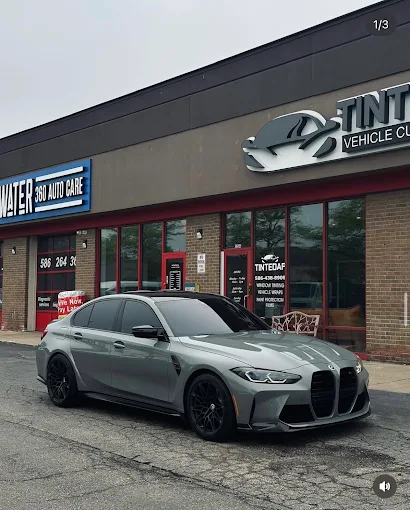
TintedAF has 5 years of automotive protection experience and provides both carbon and ceramic window film from its Dearborn Heights shop. Our team works with cars, trucks, SUVs, EVs, luxury vehicles, and daily drivers, helping customers choose tint based on appearance, comfort, coverage, and Michigan requirements.
Carbon film is a practical option for drivers who prefer a deep, understated appearance without relying on metallic film. We focus on careful glass preparation, accurate film placement, clean edges, and a consistent finish across the treated glass.
Our shop at 6216 N Telegraph Rd, Dearborn Heights, MI 48127 is located right in Dearborn Heights, putting expert carbon window tinting just minutes from many local neighborhoods and major routes such as Telegraph Road, Ford Road, and Warren Avenue.
Choose the carbon tint coverage that fits your vehicle, privacy goals, and driving needs. TintedAF can help you compare eligible window coverage while keeping Michigan tint-placement requirements in mind.
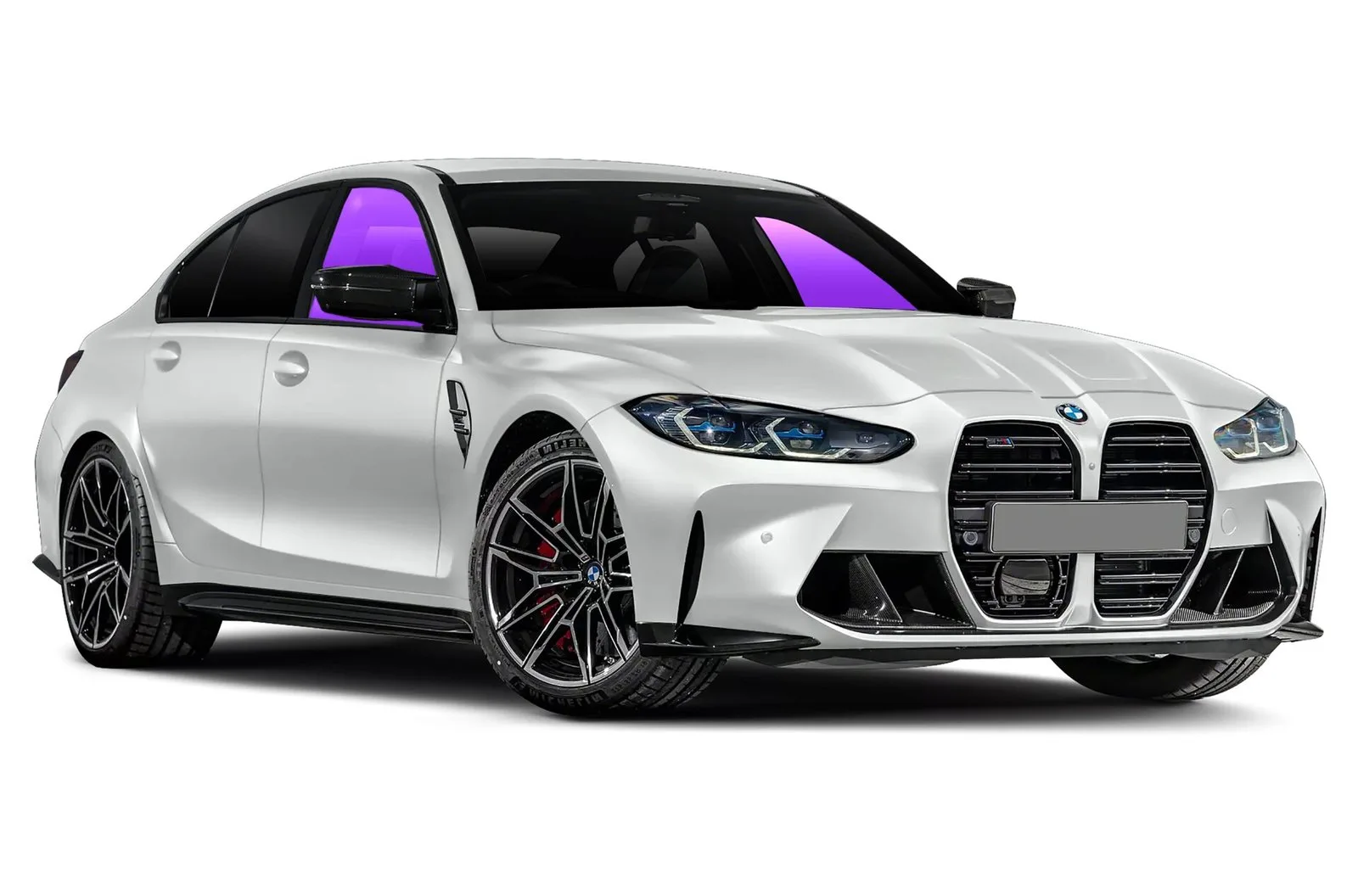
Add carbon film to the legally permitted upper portion of the front side windows to help reduce glare and give the front glass a more finished appearance.
Package Coverage:
Ideal For:
Drivers who want targeted glare control around the front seats while staying within Michigan’s standard front-side-window placement restrictions.

Give your vehicle a coordinated carbon-tint appearance by combining legally permitted front treatment with eligible side and rear window coverage. We adjust the installation around your vehicle’s glass layout and Michigan requirements.
Package Coverage:
Ideal For:
Drivers who want the broadest available carbon-film coverage for a consistent appearance, improved cabin privacy, glare reduction, and solar heat control.

Tint the eligible side and rear glass to create a more uniform appearance while adding privacy, glare control, and solar protection across the back of the vehicle.
Package Coverage:
Ideal For:
Drivers who want greater rear-cabin privacy, less glare for passengers, and broader carbon-film coverage for sedans, trucks, SUVs, and other vehicles.

Add a carbon-film strip across the legally permitted upper section of the windshield to help control bright overhead sunlight and low-angle glare without tinting the entire windshield.
Package Coverage:
Ideal For:
Drivers who regularly deal with strong daytime sunlight and want focused glare reduction across the upper windshield area.
Carbon film creates a dark, understated finish without the highly reflective look of some metallic films. It works well for drivers who want their vehicle glass to look cleaner and more uniform without an overly shiny finish.
Automotive carbon tint helps limit solar energy entering through treated glass. Reduced heat buildup can make the cabin more comfortable during sunny Michigan driving and reduce how intensely the interior heats while the vehicle is exposed to sunlight.
Strong sunlight and low-angle glare can make everyday commuting uncomfortable. Carbon window film reduces visible glare through treated areas, helping make daytime driving easier on the eyes while maintaining appropriate visibility.
Quality automotive film helps reduce ultraviolet exposure through treated glass. This can help limit long-term sun exposure affecting dashboards, seats, trim, and other interior materials.
Depending on the selected shade and legal placement, carbon tint can make it more difficult to see directly into a vehicle. Privacy levels vary with VLT, ambient lighting, factory glass, and the amount of film coverage selected.
TintedAF describes its carbon film as a color-stable, fade-resistant option designed to maintain its dark appearance over time rather than developing the purple appearance commonly associated with aging low-quality dyed film.
Give your vehicle a cleaner look with carbon window film that helps reduce glare, improve privacy, and manage cabin heat. TintedAF can help you choose the right coverage for your car, truck, SUV, or EV while keeping Michigan tint requirements in mind.
TintedAF currently states five years of experience providing vehicle-protection services, including professional automotive window tinting.
You are not limited to one film category. Our Dearborn Heights shop offers both carbon and ceramic tint, allowing drivers to compare appearance, heat-control goals, and budget before deciding.
Proper installation begins with clean glass. Technicians prepare windows to remove dust, oils, and surface residue before applying the film.
Tint film is cut to the dimensions and contours of each vehicle's glass rather than using a generic one-size-fits-all shape.
TintedAF currently backs its automotive window tinting services with a lifetime warranty. Customers should review the applicable warranty terms when booking.
Our shop is located directly in Dearborn Heights at 6216 N Telegraph Rd, giving local customers a physical location for quotes, installation, and follow-up assistance.
OUR PROCESS
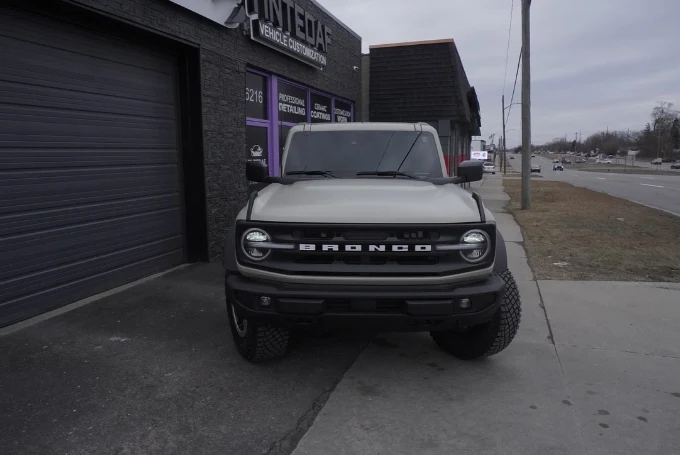
We review the vehicle, existing tint or factory privacy glass, requested coverage, and your preferred appearance before installation begins.
We carefully clean the glass to remove dust, fingerprints, oils, and residue that could affect the finished film.
Our team prepares window film to fit the shape and dimensions of the selected glass. Accurate fitting helps produce consistent edges and coverage.
The film is positioned on the prepared glass, worked into place, and formed to curved automotive windows where required.
Our installers check film placement, edges, glass coverage, and visible contamination before returning the vehicle.
We explain the initial curing period and provide instructions for window operation and cleaning after installation.
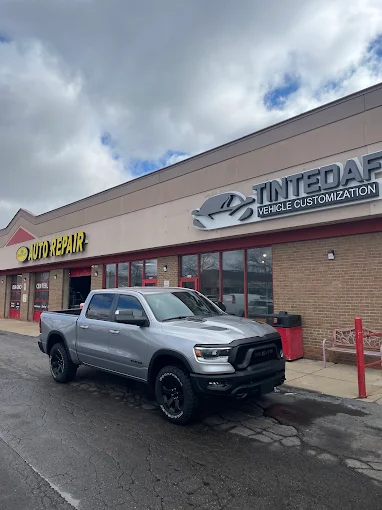
TintedAF works on a wide range of vehicles, so you can choose carbon film based on each vehicle’s size, glass layout, existing privacy glass, and intended use.
Carbon tint can help make everyday commuting more comfortable while giving standard passenger cars a darker, more uniform appearance.
Rear cab windows, side glass, and other eligible areas can be treated based on the truck's existing glass and the driver's coverage goals.
Larger cabins often have more glass area. Carbon film can help manage glare, privacy, and sunlight across eligible side and rear windows.
Non-metallic carbon film suits technology-heavy vehicles where signal compatibility matters.
Drivers can choose carbon tint for its subdued dark appearance and clean finish without relying on reflective film.
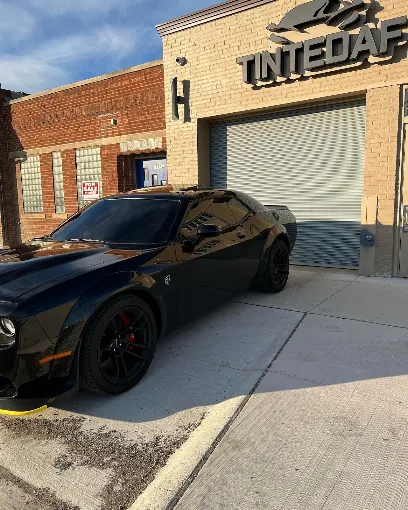
Michigan’s window-film rules focus heavily on where film can be installed, not simply on a universal VLT percentage.
Under MCL 257.709, film on the windshield and front side windows immediately beside the driver and front passenger is generally restricted to an upper strip that extends no more than four inches from the top or below the shade band, whichever is closer to the top. A medical-necessity exception can permit additional treatment when the statutory requirements are met.
Michigan State Police also states that tinting is permitted on the rear side windows and rear window, provided you meet the applicable requirements. Michigan does not specify a universal darkness percentage for window film, but the state prohibits window applications with solar reflectivity greater than 35%.
Michigan’s window tint rules are set out in MCL 257.709. The law limits film on the front glass and caps how reflective film can be on the rear windows.
Michigan sets no VLT percentage for its windows. The rules cover where film may go and how reflective it can be, which is why we keep an eye on both when we plan a job.
Window | Minimum VLT Required | Our Recommendation |
Windshield | No film, except a non-reflective strip at the top, up to 4 in. or the shade band | Ask our team |
Front Side Windows | No film below the top strip | Ask our team |
Rear Side Windows | No darkness limit. Reflectance may not exceed 35% | Ask our team |
Rear Window | Same as the rear side windows | Ask our team |
Note: Our team can go over what applies to your vehicle type, including SUVs and vans.
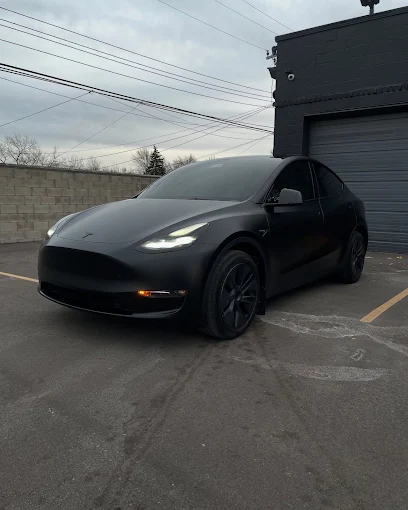
The cost of carbon window tinting depends on the vehicle, the amount of glass being treated, and the coverage selected. Larger vehicles, such as SUVs and trucks, usually have more glass area than smaller cars, while curved or unusually shaped windows can also affect the work required.
Pricing can also change based on the carbon film selected, the number of windows being tinted, and whether you choose front, rear, or broader vehicle coverage. We may need to remove existing aftermarket tint first, and the condition of the current film or glass may require extra prep before installation.
For the most accurate price, contact TintedAF with your vehicle year, make, model, and preferred tint coverage. The Dearborn Heights team can review the vehicle details, film choice, existing tint, and any additional windshield-strip coverage before providing a current quote.
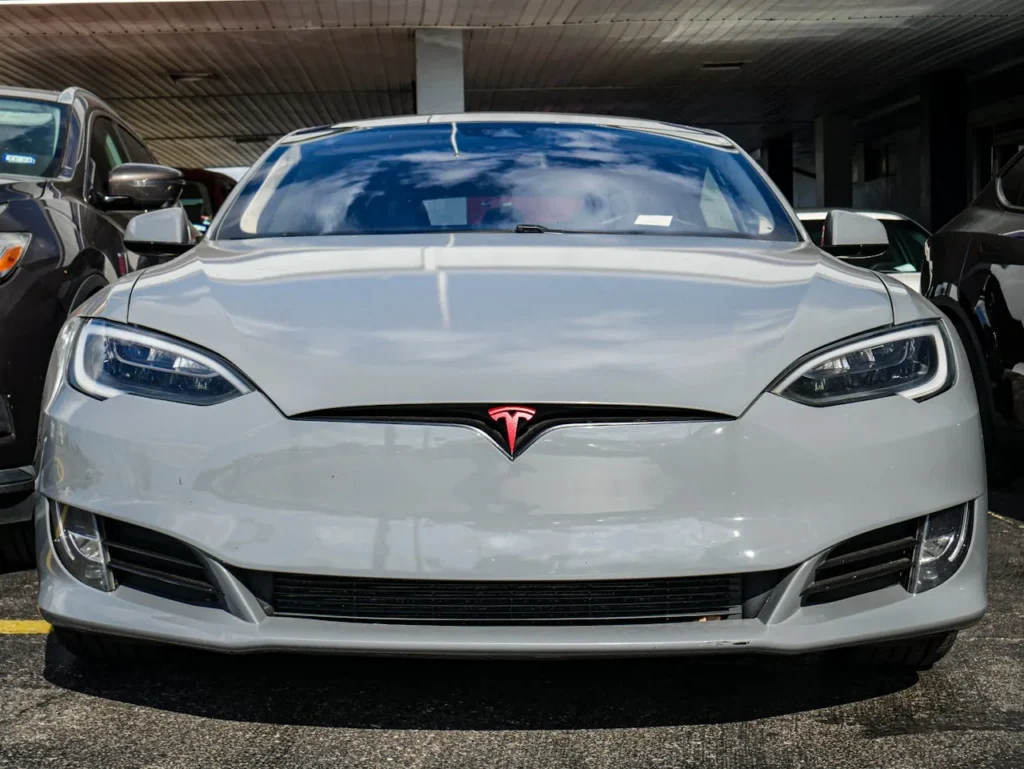
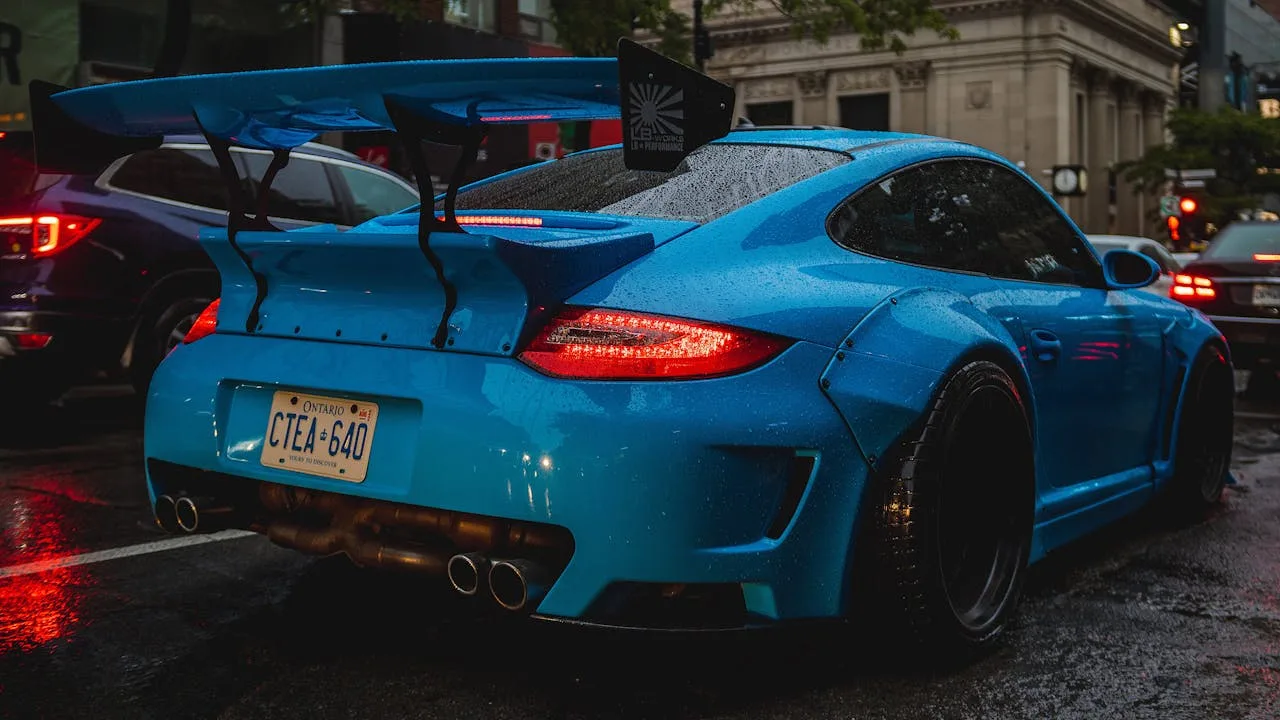
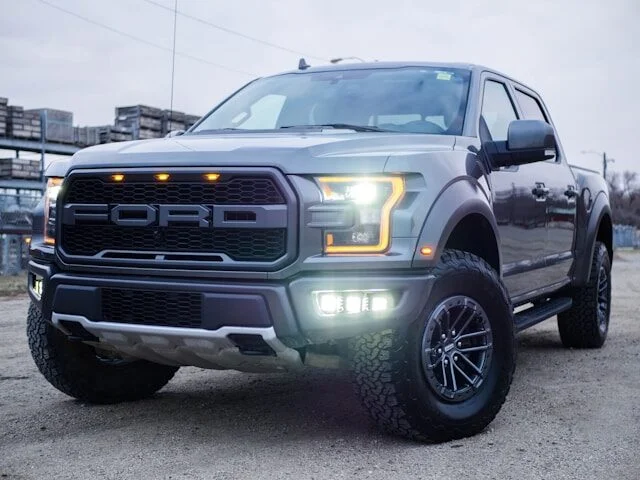
TintedAF works with a wide range of cars, trucks, SUVs, EVs, luxury vehicles, and performance models. Window shape, factory glass, door design, sensors, and existing tint can affect how we plan the job.


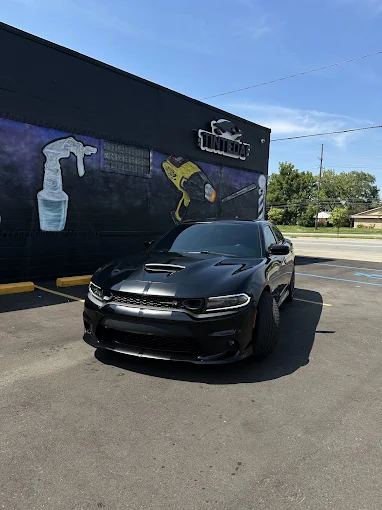
Quality carbon film is designed for long-term automotive use, but actual lifespan depends on the film, installation quality, vehicle storage, sun exposure, glass condition, climate, and maintenance. TintedAF backs its current window-tint installations with a lifetime warranty, subject to the applicable warranty terms.
After installation:
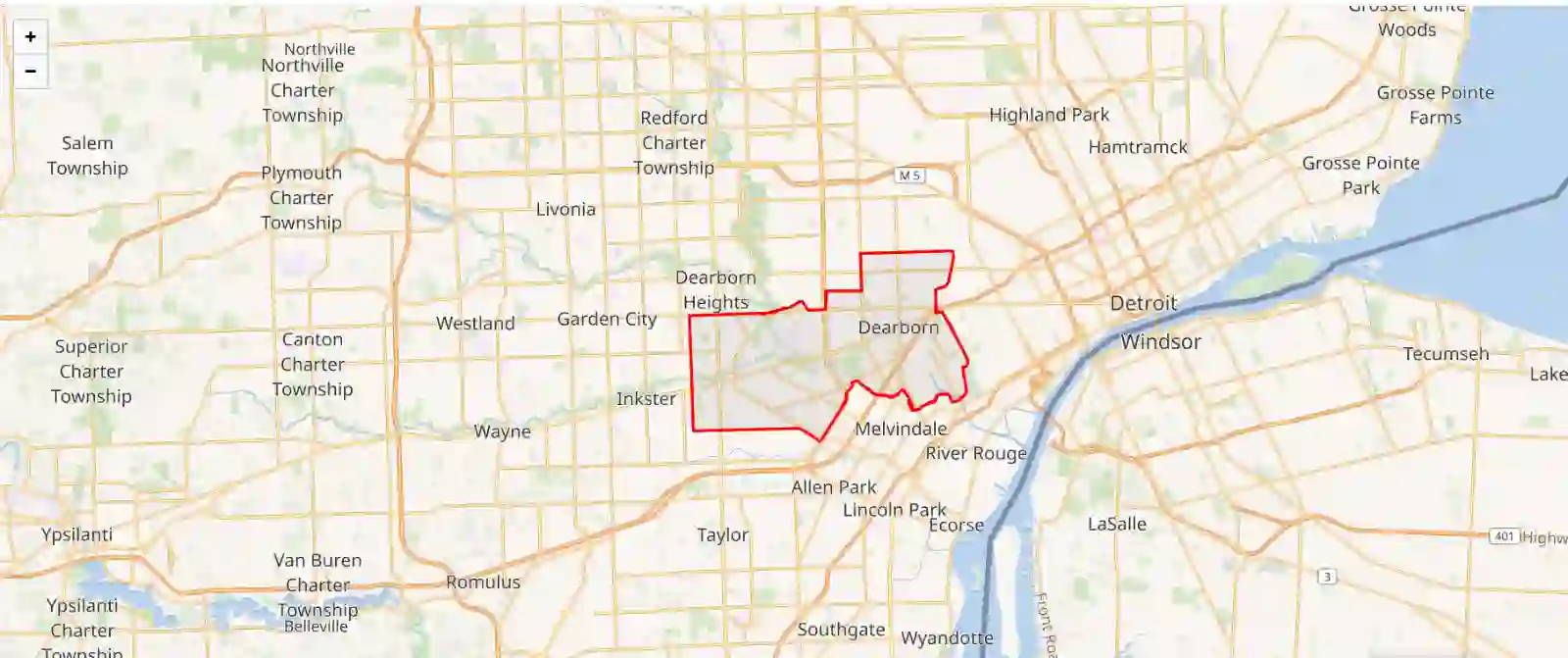
If you are searching for carbon tint near you in Dearborn Heights, TintedAF operates directly from 6216 N Telegraph Rd, Dearborn Heights, MI 48127. The shop serves drivers throughout Dearborn Heights and surrounding Metro Detroit communities.
Give your vehicle a darker, non-reflective finish while improving glare control, privacy, and cabin comfort. Visit TintedAF in Dearborn Heights to compare carbon film coverage and choose an option suited to your vehicle and Michigan’s tint requirements.
Dearborn Heights is located in Wayne County within the Metro Detroit area, giving residents direct access to nearby communities such as Dearborn, Detroit, Westland, and Livonia. Major roads including Telegraph Road, Ford Road, and Warren Avenue support daily commuting, local travel, and regular vehicle use throughout the area.
With changing Michigan weather, summer sun, winter conditions, and frequent driving, local vehicles can benefit from added heat control, glare reduction, privacy, and interior UV protection. Automotive window film can help improve cabin comfort while giving drivers more control over appearance and visibility across eligible glass areas.
TintedAF serves Dearborn Heights from its shop on N Telegraph Road, offering carbon and ceramic window tinting, paint protection film, ceramic coating, vehicle wraps, and detailing services. The team helps customers choose vehicle protection and appearance services based on driving habits, coverage needs, and personal preferences.
Carbon tint can be a strong choice if you want better heat control, color stability, privacy, and appearance than a basic dyed film without paying for the higher-tier performance normally associated with ceramic. The right choice still depends on your budget, desired coverage, and how much heat rejection you want.
Yes. Carbon automotive film can reduce solar heat entering through treated glass, making the cabin more comfortable during sunny driving. Performance varies by film construction and shade, so the darkest tint is not automatically the film that provides the strongest heat rejection.
Partial-front PPF covers selected high-impact portions of the bumper, hood, fenders, and mirrors. Full-front PPF extends film across the complete hood and front fenders along with the front bumper and other forward-facing components included in the selected package.
Carbon film provides dependable heat reduction, UV protection, glare control, and a deep non-reflective appearance. Ceramic tint is generally selected when stronger infrared heat rejection is the main priority. TintedAF currently offers both film categories, allowing customers to compare them before installation.
Carbon film is generally chosen as an upgrade from basic dyed film because of its greater color stability and improved solar-control performance. However, performance varies by product. A good installation and quality film matter more than the category name.
Carbon film is designed to maintain its color more consistently than traditional low-quality dyed film. TintedAF currently describes its carbon window film as fade-resistant and color-stable. Actual longevity still depends on the specific product, installation, sun exposure, storage, and maintenance.
Carbon window tint is non-metallic, so it avoids the metal layer linked to signal-interference concerns with some metallic window films. It is therefore commonly used on vehicles with GPS, Bluetooth, cellular devices, and other electronics.
Carbon film itself is not automatically legal or illegal. Compliance depends on where it is installed and the characteristics of the application. Michigan generally limits tint on the front windshield and front side windows to an upper four-inch area, with specified exceptions. Solar reflectivity must not exceed 35%
Generally, not with ordinary aftermarket tint. Michigan State Police says tint on the windows immediately beside the driver and front passenger is generally limited to the top four inches. A qualifying medical-necessity exception may permit additional coverage when statutory requirements are met.
Film shade affects visible light transmission, appearance, and privacy. Available options should be confirmed with TintedAF when requesting your quote because inventory and product offerings can change. Film placement must also comply with Michigan requirements.
Pricing varies with the vehicle, number and size of windows, coverage selected, film choice, and whether existing aftermarket film needs to be removed. Send TintedAF your vehicle year, make, model, and desired coverage for a current quote rather than relying on a generic price range.
Tint can increase privacy, but the effect changes with lighting. A dark cabin may be harder to see into during daylight, while interior lighting at night can make occupants and objects more visible from outside. Therefore, choose a shade that balances appearance with practical visibility.
Allow the film to cure according to the installer’s instructions before operating treated windows. Use soft microfiber and tint-safe cleaners on the inside glass, avoid abrasive tools, and do not scrape the film surface. Contact TintedAF if you notice an installation issue after the curing period.
TintedAF currently advertises a lifetime warranty on its automotive window tinting services. Review the applicable warranty coverage and conditions with the shop when booking your carbon-film installation.
Faqs