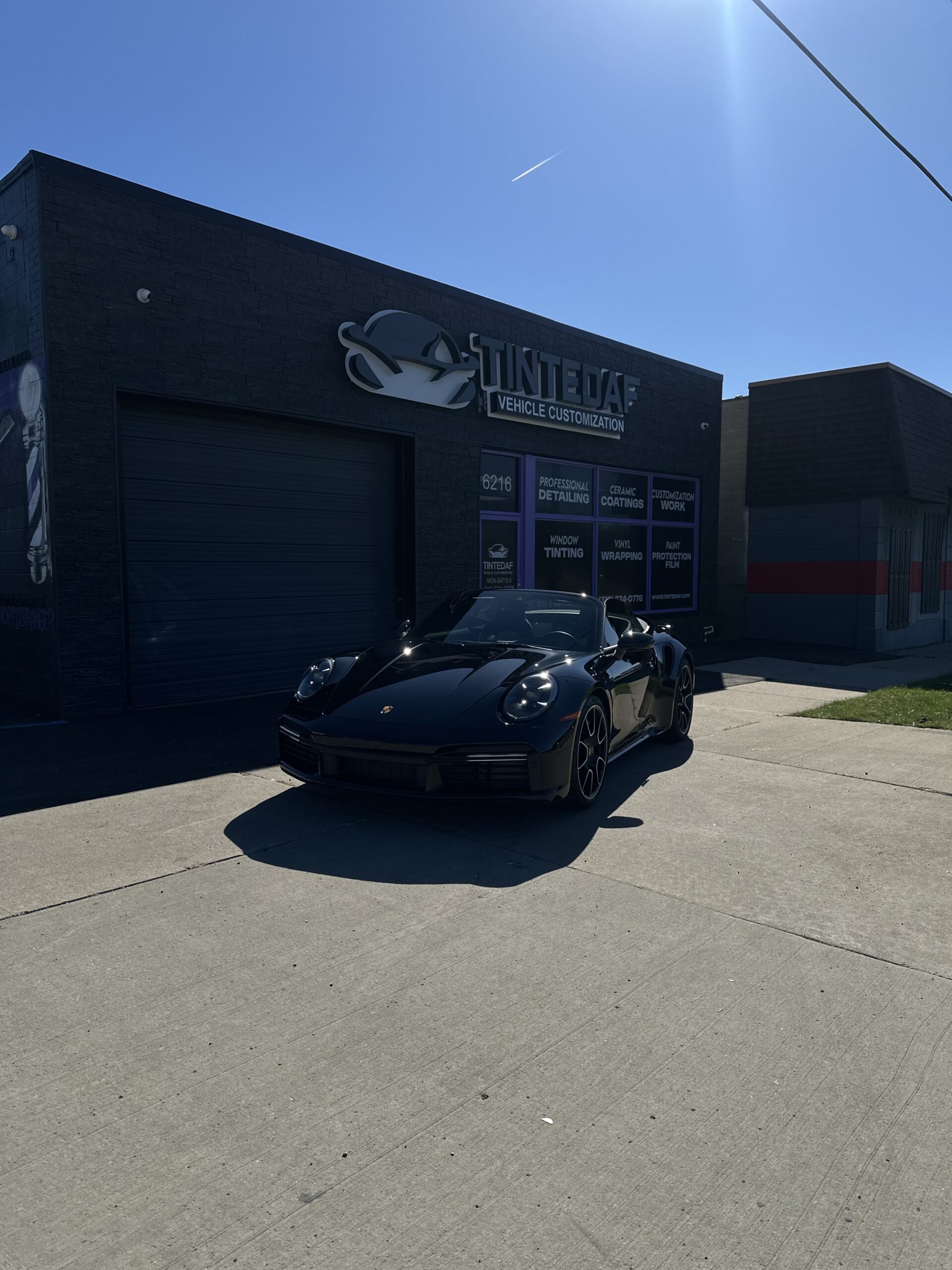
How Driving Conditions in Garden City MI Affect Window Tint Durability
Garden City MI drivers deal with more than just traffic, they face a unique blend of sun exposure, road grit, and seasonal temperature swings that directly impact vehicle upkeep. Among the most affected components? Your window tint. The durability of window film depends not only on the material but also on how your vehicle interacts with local driving conditions. From parking near open spaces like Garden City Park to commuting daily across Middlebelt Road, every trip plays a role in how long your tint holds up.
At TintedAF, we’ve seen firsthand how Michigan’s four-season climate, stop-and-go traffic, and high-exposure intersections like Cherry Hill Road & Henry Ruff Road can accelerate fading, bubbling, and cracking—especially with low-grade films. That’s why professional window tinting in Garden City MI matters. This post breaks down how everyday driving affects tint performance and why choosing the right ceramic or carbon window film—and an experienced local installer—makes all the difference.
Understanding Window Tint Durability
What Makes Window Tint Last?
Durability in window tinting depends heavily on the film quality, the installation process, and, often overlooked, the driving environment. Ceramic and carbon films are built for long-term performance, resisting discoloration and distortion over time. But even the strongest films can fail if applied incorrectly or exposed to harsh conditions too often.
Beyond film type, window placement and sun-facing sides of the car play a role. Rear and side windows that get direct sunlight daily tend to show wear faster, especially if low-grade film is used.
Factors That Lead to Tint Degradation
Tint doesn’t just fade from age, it’s the constant mix of UV rays, temperature swings, and environmental particles. Poor-quality adhesive may weaken with heat buildup, while inferior film layers can break down from constant window use or chemicals in cleaning products. Add in local pollutants or tree sap, and you’ve got a recipe for failure. Garden City drivers often underestimate how much heat and grime their car picks up in just a few blocks.
Typical Driving Conditions in Garden City MI
UV Exposure and Heat Near Major Roads
Areas like Cherry Hill Road & Henry Ruff Road are traffic-heavy and wide open, meaning your vehicle is baking under the sun with little cover. UV rays don’t just cause glare, they penetrate glass, heating interiors and breaking down the film layers, especially if they aren’t designed for infrared heat rejection. And let’s not forget reflective glare from nearby buildings or other vehicles. That reflection hits your windows even harder during peak hours.
Stop-and-Go Traffic Patterns
Garden City drivers know stop-and-go traffic is a daily thing. Whether you’re near schools, shopping strips, or merging lanes, you’re often stationary under full sun. These short stops and starts create extreme interior heat spikes, especially dangerous for cheaper films that don’t have advanced heat control layers. Sitting still in traffic is when your tint takes the most punishment. The cabin heats fast, and that stress transfers to the film itself.
Year-Round Climate Shifts
From hot summers that push interior temps over 120°F to icy winters that make your windows contract, Michigan weather is rough on tint. In Garden City MI, the transition between seasons is sharp, and this causes expanding and shrinking of the film layers, weakening their structure over time. Humidity and road salt in winter only add to the problem, especially for edge seals and rear window lines.
The Role of Road Type and Driving Style
Urban Driving vs Suburban Roads
Urban environments keep you closer to other cars, stuck in slower lanes, and exposed to direct sunlight and pollutants. This means more concentrated damage to your window tint. Meanwhile, suburban or rural routes give your car airflow and less road debris—but still don’t eliminate exposure. Short-distance city drives allow heat to build but not dissipate, which puts strain on tint adhesives and surface coating.
Frequent Braking and Cabin Heat Cycles
Driving through Garden City often means lots of braking, red lights, and rush-hour loops. Each time you slow down, your interior warms up. Then as you drive, it cools slightly, creating a constant heat fluctuation that leads to film flexing and stress lines. This constant thermal cycle gradually reduces tint strength and creates edge-lifting or small bubbles if not properly cured.
Environmental Stress on Tinted Windows
Tree Sap, Pollutants, and Road Dust
Parking under a tree near Garden City Park may seem smart, but sap, pollen, and airborne debris can etch the outer film layer. Over time, these particles embed into the surface and wear down the film’s UV-blocking ability Garden City MI automotive window tint. Industrial pollutants and construction dust add even more abrasion. The result? Scratches, haze, and early tint failure, even on premium films, if not cleaned properly.
Exposure Near Garden City Parks
Parking regularly near community parks or open lots leaves your car vulnerable to more than just sunlight. Falling debris, bug splatter, and neighborhood dust gradually reduce the clarity and strength of any window film. This location-specific exposure matters, especially in spring and fall.
Why Tint Degrades Faster on Certain Vehicles
Window Size and Glass Angle
Vehicles with large rear windows or steep side glass absorb more light and heat. This surface area increases tint exposure—meaning the same film might last 5 years on a sedan, but only 3 years on a crossover. If your glass is angled toward the sun during most of the day, wear is faster. It’s not just the film, it’s how much sun it takes in daily based on your vehicle’s design and parking habits.
Rear Window Defrosters and Tint Wear
Defroster lines can interfere with film adhesion if not applied with care. Over time, repeated use of rear defrosters heats these lines unevenly, which can lead to cracking or distortion in the tint. This is especially common in winter-heavy regions like Michigan. Cheaper films often bubble or discolor faster on rear windows, especially if installers didn’t properly press between the lines.
Best Film Types for Garden City Conditions
Why Ceramic Window Tint Holds Up Better
Ceramic window tint doesn’t just block UV, it rejects infrared heat and won’t interfere with electronics. It’s built to withstand the repeated heat spikes common on routes like Warren Road or anywhere open parking is your only option. It also stays clearer, resists fading, and doesn’t turn purple like older dye-based films. For serious durability in Garden City, ceramic film is the top-grade solution, especially for daily drivers.
How Carbon Films Compare in Durability
Carbon window film offers excellent UV protection and heat control for a more budget-friendly choice. While it lacks the infrared-blocking strength of ceramic, it still outperforms dyed films and doesn’t interfere with signal clarity. It’s a solid option for side windows or vehicles parked in garages most of the time. If you want long-term results without the top-tier price, carbon film delivers great middle-ground performance.
Proper Installation and Its Impact on Longevity
Installer Experience and Film Application
A proper tint job doesn’t just look better, it lasts longer. Bubbles, poor edge sealing, or rushed prep can drastically shorten your tint’s life. Working with experienced installers like TintedAF, who understand Window Tinting in Garden City MI, means your film is applied to withstand local roads, weather, and compliance laws. Expert installation ensures correct curing, exact alignment with VLT limits, and better bonding that resists peeling.
Care Tips to Extend Tint Life in Garden City
Post-Installation Curing Time
After application, your film needs time to set—especially during cooler months in Garden City. Rolling down your windows too soon, using heaters aggressively, or parking under direct sun right away can trap moisture or misalign the film. Curing can take several days depending on temperature. Patience here prevents long-term defects.
Cleaning Practices That Matter
Avoid using ammonia-based cleaners, they break down the film’s protective layer. Instead, use a soft microfiber cloth and an ammonia-free tint-safe solution. Clean regularly to avoid dust and grime buildup, especially during spring pollen season and salty winters. Gentle maintenance keeps your film clear, functional, and looking factory-fresh for years.
Conclusion
Driving in Garden City MI means facing constant environmental stress, whether its UV rays on Middlebelt Road, spring pollen near Cambridge Alternative High School, or temperature shifts every few months. All of this affects how long your tint lasts. Working with experts like TintedAF and choosing high-quality ceramic or carbon window tint makes all the difference. And by understanding how local driving conditions wear down your film, you can protect your investment and extend the life of your tint for the long haul.
For a deeper look at how window tinting in the Far West Detroit MI improves driving safety, visibility, and long-term protection, explore this detailed guide.
FAQs
How often should window tint be replaced in Garden City MI?
With premium films like ceramic or carbon, you can expect 5–10 years of durability, provided you care for it and avoid harsh cleaning products.
Does parking direction affect how quickly tint fades?
Yes. Parking with the rear or side windows facing south leads to faster UV exposure, especially during summer.
Are there tint laws specific to Garden City MI?
Garden City follows Michigan’s tint laws, which require at least 35% VLT on front side windows. Rear windows and the back windshield have more flexibility.
Will my rear defroster damage the tint?
Not if applied correctly. But improper installation or excessive heating can lead to bubbles along the defroster lines over time.
Can tint help reduce interior damage from Michigan winters?
Yes. Tint blocks harmful UV rays that still penetrate even in winter, preventing leather cracking and dashboard fading year-round.