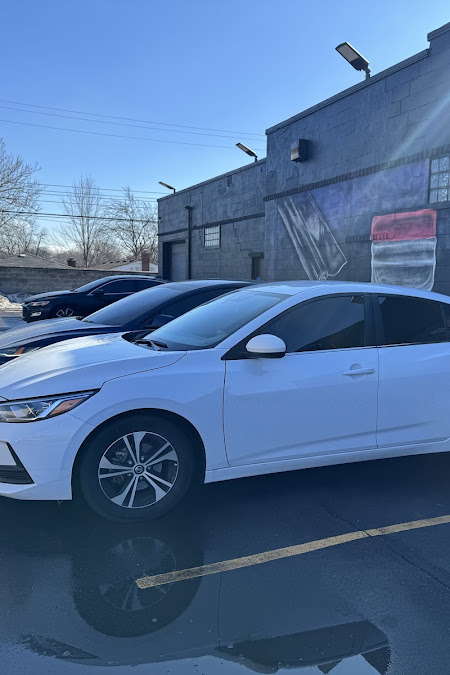
Driving through Michigan’s scenic highways or navigating Detroit’s busy streets exposes you to more than just beautiful views and urban landscapes. Your vehicle’s windows are constantly letting in ultraviolet radiation, an invisible threat that can cause serious damage to both your health and your vehicle’s interior over time. Car window tinting in Michigan has become an essential solution for drivers who want to protect themselves and their investment from the sun’s harmful effects. Experts like TintedAF have seen firsthand how proper window film installation can make a significant difference in combating UV exposure throughout all four seasons.
In this comprehensive guide, we’ll explore exactly how window tinting shields you from UV radiation, why Michigan’s climate presents unique challenges, and what you need to know to make an informed decision about protecting your vehicle.
Understanding UV Radiation and Its Impact
Before diving into how auto window tinting works, it’s important to understand what you’re protecting yourself against. Ultraviolet radiation is a form of electromagnetic energy that comes primarily from the sun. While we can’t see it with our naked eyes, UV rays penetrate standard automotive glass and can cause considerable harm over time.
What Makes Michigan’s UV Exposure Unique?
Michigan’s geographic location and climate create specific UV exposure challenges that many drivers don’t consider. The state sits at a latitude where UV intensity varies dramatically throughout the year. During summer months, the sun’s angle allows UV rays to penetrate more directly, while Michigan’s extended daylight hours mean you’re exposed for longer periods.
What catches many people off guard is that UV exposure doesn’t take a break during winter. Snow and ice create highly reflective surfaces that can actually amplify UV radiation, bouncing it back toward your vehicle from multiple angles. This phenomenon is particularly common in northern Michigan, where snow cover persists for months.
The Two Types of UV Rays That Affect Your Vehicle
There are two main types of ultraviolet radiation that reach your car: UVA and UVB rays. UVA rays have longer wavelengths and can penetrate deeper into your skin and materials. These are the primary culprits behind premature aging, skin damage, and interior fading. UVB rays have shorter wavelengths and are mainly responsible for sunburns and more immediate skin damage.
Standard automotive glass blocks most UVB rays but allows a significant amount of UVA radiation to pass through. This is where automotive window tinting in Michigan becomes crucial, as quality window film can block up to 99% of both UVA and UVB rays.
The Science Behind Window Tint and UV Protection
Window tint isn’t just a darkened film that reduces visible light. The technology behind modern window tinting involves sophisticated materials designed specifically to filter out harmful radiation while maintaining visibility and clarity.
How Window Film Blocks Ultraviolet Radiation
Professional window tinting in Michigan works through several mechanisms. The film contains special UV-absorbing chemicals and particles that intercept ultraviolet radiation before it enters your vehicle. When UV rays hit the tinted window, these materials absorb the energy and convert it into harmless heat, which dissipates safely.
Think of it like sunscreen for your car. Just as sunscreen creates a protective barrier on your skin, window film creates an invisible shield that stops UV rays in their tracks. The difference is that window film doesn’t wear off or need reapplication.
Different Tint Materials and Their UV Blocking Capabilities
Not all window films are created equal when it comes to UV protection. Dyed films, which are the most economical option, primarily reduce heat and glare but offer moderate UV protection. Metalized films incorporate tiny metallic particles that reflect UV rays away from the vehicle, providing better protection.
Ceramic films represent the gold standard in UV protection. These premium materials use nano-ceramic particles that block up to 99% of UV radiation without interfering with electronic signals or creating a metallic appearance. Carbon films fall somewhere in between, offering excellent UV protection without the potential signal interference of metalized options.
Health Benefits of UV Protection Through Window Tinting
The health implications of prolonged UV exposure while driving are more serious than most people realize. Your car isn’t the protective bubble you might think it is, especially with untinted windows.
Preventing Skin Damage During Your Daily Commute
Studies have shown that drivers often experience more sun damage on the left side of their face and arm, the side exposed to the window during driving. This asymmetrical aging and increased skin cancer risk on one side of the body is a documented phenomenon among frequent drivers.
Auto window tinting in Michigan provides consistent protection regardless of the time of day or season. Whether you’re driving to work during morning rush hour or taking a weekend trip up north, quality window film blocks harmful UV rays continuously. This is particularly important for people who spend hours on the road daily, such as sales professionals, delivery drivers, or those with long commutes.
Reducing Eye Strain and Long-Term Vision Problems
UV radiation doesn’t just affect your skin. Your eyes are incredibly vulnerable to ultraviolet damage, which can contribute to cataracts, macular degeneration, and other vision problems over time. The glare from unfiltered sunlight through your windshield and side windows forces your eyes to work harder, leading to fatigue and strain.
Window tinting reduces this glare significantly while maintaining the clarity you need for safe driving. It’s like wearing high-quality sunglasses, but for your entire vehicle. The reduced eye strain makes driving more comfortable and may help prevent long-term vision deterioration associated with UV exposure.
How Window Tinting Preserves Your Vehicle’s Interior
Beyond personal health, UV radiation wages a constant war against your vehicle’s interior components. The damage happens gradually, but it’s relentless and costly to repair.
Protecting Leather and Upholstery from Sun Damage
Leather seats, vinyl surfaces, and fabric upholstery all deteriorate when exposed to UV radiation. You’ve probably seen older vehicles with cracked, faded dashboards or seats that have lost their original color. This degradation happens because UV rays break down the chemical bonds in these materials, causing them to dry out, crack, and fade.
A window tinting shop in Michigan can help preserve your interior’s appearance and value by blocking the UV rays responsible for this damage. Leather seats maintain their supple texture, colors stay vibrant, and materials last significantly longer. This protection is especially valuable if you have a newer vehicle or one with premium interior materials.
Preventing Dashboard Cracking and Fading
Your dashboard takes the brunt of solar exposure, especially during summer when the sun beats down through the windshield for hours. The intense heat and UV radiation cause plastic and vinyl dashboards to crack, warp, and fade. Once this damage occurs, it’s expensive to repair and significantly diminishes your vehicle’s resale value.
Window film installation in Michigan acts as a preventive measure, keeping dashboard temperatures lower and blocking the UV rays that cause material breakdown. The difference becomes obvious when you compare a vehicle with tinted windows to one without after several years of ownership.
Year-Round UV Protection in Michigan’s Climate
Michigan’s four-season climate means UV exposure patterns change throughout the year, but the threat never completely disappears.
Winter UV Reflection from Snow and Ice
Here’s something that surprises many Michigan drivers: winter can actually increase your UV exposure in certain situations. Fresh snow reflects up to 80% of UV radiation, creating a double-exposure effect. You’re getting UV rays from above and reflected rays from the snow-covered ground.
This is particularly relevant during those bright, sunny winter days when the landscape is blanketed in white. The glare can be intense, and the UV exposure is more significant than you might expect. Michigan window tinting provides year-round protection against this often-overlooked winter hazard.
Summer Sun Intensity and Extended Daylight Hours
Michigan summers bring long, beautiful days, but they also mean extended UV exposure. With the sun rising before 6 AM and setting after 9 PM during peak summer, your vehicle sits in direct sunlight for hours, even when parked.
The sun’s angle during summer months allows UV rays to penetrate your vehicle more directly through side and rear windows. This is when having comprehensive window tinting in Michigan becomes most valuable, as it protects from all angles throughout those long summer days.
Choosing the Right Tint for Maximum UV Protection
Selecting the appropriate window tint involves understanding several factors that affect both UV protection and legal compliance.
Understanding VLT Percentages and UV Rejection Rates
VLT, or Visible Light Transmission, refers to the amount of visible light that passes through the window film. A lower VLT percentage means darker tint. However, the darkness of the tint doesn’t directly correlate to UV protection. You can have a lighter tint with excellent UV rejection or a darker tint with mediocre protection.
UV rejection rate is the metric that matters for health and interior protection. Quality films from providers like TintedAF typically block 99% of UV rays regardless of the VLT percentage. This means you can choose a tint shade based on your preferences and legal requirements while still getting maximum UV protection.
Ceramic vs. Carbon vs. Dyed Window Films
Ceramic films offer the best overall performance, blocking UV rays effectively while also providing superior heat rejection and clarity. They don’t fade over time and won’t interfere with GPS, radio, or cell phone signals. The investment in ceramic tint pays dividends in comfort, protection, and longevity.
Carbon films provide excellent UV protection at a more accessible price point. They have a matte finish that many drivers prefer aesthetically, and they’re very effective at reducing heat and UV radiation. Dyed films are the most economical option but offer less UV protection and tend to fade over time, requiring eventual replacement.
What to Expect During and After Installation
Understanding the installation process helps set proper expectations and ensures you get the full benefits of your window tinting investment.
The Professional Installation Process
Professional window tinting installation in Michigan typically takes a few hours, depending on your vehicle type. The installer carefully cleans each window, precisely cuts the film to match your window dimensions, and applies it using specialized techniques to avoid bubbles and imperfections.
The quality of installation directly affects how well your tint performs and how long it lasts. Professional installers have the tools, experience, and materials to ensure proper adhesion and optimal UV protection. TintedAF and similar professional shops use controlled environments to prevent dust and debris from compromising the installation.
How Long Before Your Tint Reaches Full UV Protection
Here’s an important detail: your window tint begins blocking UV rays immediately after installation. However, the film needs time to fully cure and adhere to the glass. During the curing period, which typically lasts 3-7 days depending on weather conditions, you might notice slight haziness or small water bubbles.
This is completely normal and doesn’t affect UV protection. The film is working from day one, blocking harmful radiation even as it settles into place. Michigan’s climate can affect curing time, with installations during warmer months curing faster than those done in winter.
Conclusion
Car window tinting in Michigan isn’t just about aesthetics or keeping your vehicle cooler on hot summer days. It’s a practical health measure and a smart investment in protecting both yourself and your vehicle from the relentless damage caused by UV radiation. Whether you’re concerned about skin health, want to preserve your car’s interior, or simply want a more comfortable driving experience throughout Michigan’s varied seasons, quality window film delivers measurable benefits that last for years.
The science is clear: UV rays penetrate standard automotive glass and cause cumulative damage over time. Professional automotive window tinting in Michigan provides a proven solution that blocks up to 99% of these harmful rays while maintaining visibility and complying with state regulations. With options ranging from economical dyed films to premium ceramic installations, there’s a solution for every budget and need. The investment you make today in proper window tinting pays dividends in health protection, interior preservation, and driving comfort for years to come.
FAQs
Does window tint still block UV rays if it’s a lighter shade?
Yes, UV protection is not dependent on how dark the tint appears. Even lighter films can block 99% of UV rays if they’re manufactured with proper UV-blocking materials. The darkness (VLT percentage) affects visible light transmission, but quality films provide maximum UV protection regardless of shade.
How long does window tint last in Michigan’s climate?
Quality window film typically lasts 10-15 years or longer in Michigan’s climate when professionally installed. Ceramic and carbon films are particularly durable and resistant to fading or peeling. The longevity depends on the film quality, installation expertise, and how well you maintain the tinted windows.
Can I still get UV protection with Michigan’s legal tint limits?
Absolutely. Michigan law requires specific VLT percentages for different windows, but you can achieve maximum UV protection while staying within legal limits. Professional installers are familiar with state regulations and can recommend films that provide 99% UV blocking while meeting legal requirements.
Will window tint protect my car’s interior if it’s parked outside all day?
Yes, window tint continues protecting your interior even when parked. UV rays damage interiors whether you’re driving or parked, and window film blocks these rays continuously. This makes tinting especially valuable if you park outdoors at work or don’t have garage storage.
Does window tint on the windshield provide the same UV protection as side windows?
Windshields have different legal restrictions in Michigan, typically allowing only a tint strip across the top. However, many modern vehicles come with factory UV-protective windshield glass. Side and rear window tinting provides the most significant additional UV protection, as these areas typically have standard glass that allows more UV penetration.