STERLING HEIGHTS:
DEARBORN HEIGHTS:
STERLING HEIGHTS:
DEARBORN HEIGHTS:
TintedAF provides nano-ceramic window tint for cars, trucks, SUVs, and EVs in Dearborn Heights. Improve cabin comfort with strong heat rejection, glare reduction, UV protection, and clear, signal-friendly film applied with precision for a clean, consistent finish.
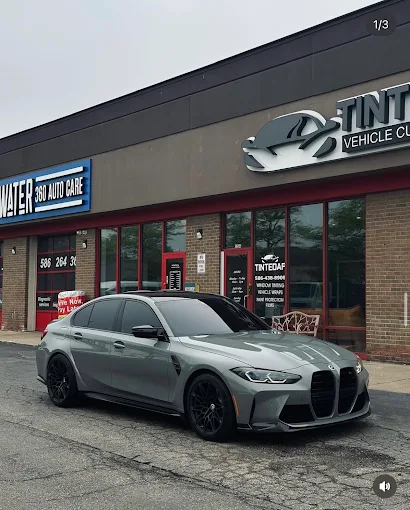
TintedAF offers expert ceramic window film installation for cars, trucks, SUVs, EVs, luxury vehicles, and daily drivers. With more than five years of window-tinting experience, our team helps customers choose ceramic film based on heat control, glare reduction, privacy, appearance, and Michigan requirements.
Our ceramic tint service focuses on careful glass preparation, accurate film fitting, clean edge work, and consistent coverage across the selected windows. Ceramic film is a strong option for drivers who want better cabin comfort, UV protection, optical clarity, and signal-friendly performance without relying on metallic construction.
TintedAF is locally based in Dearborn Heights, giving drivers convenient access to professional ceramic window tinting from Telegraph Road, Ford Road, Warren Avenue, and surrounding neighborhoods. Every current window-tint installation is backed by a lifetime warranty.
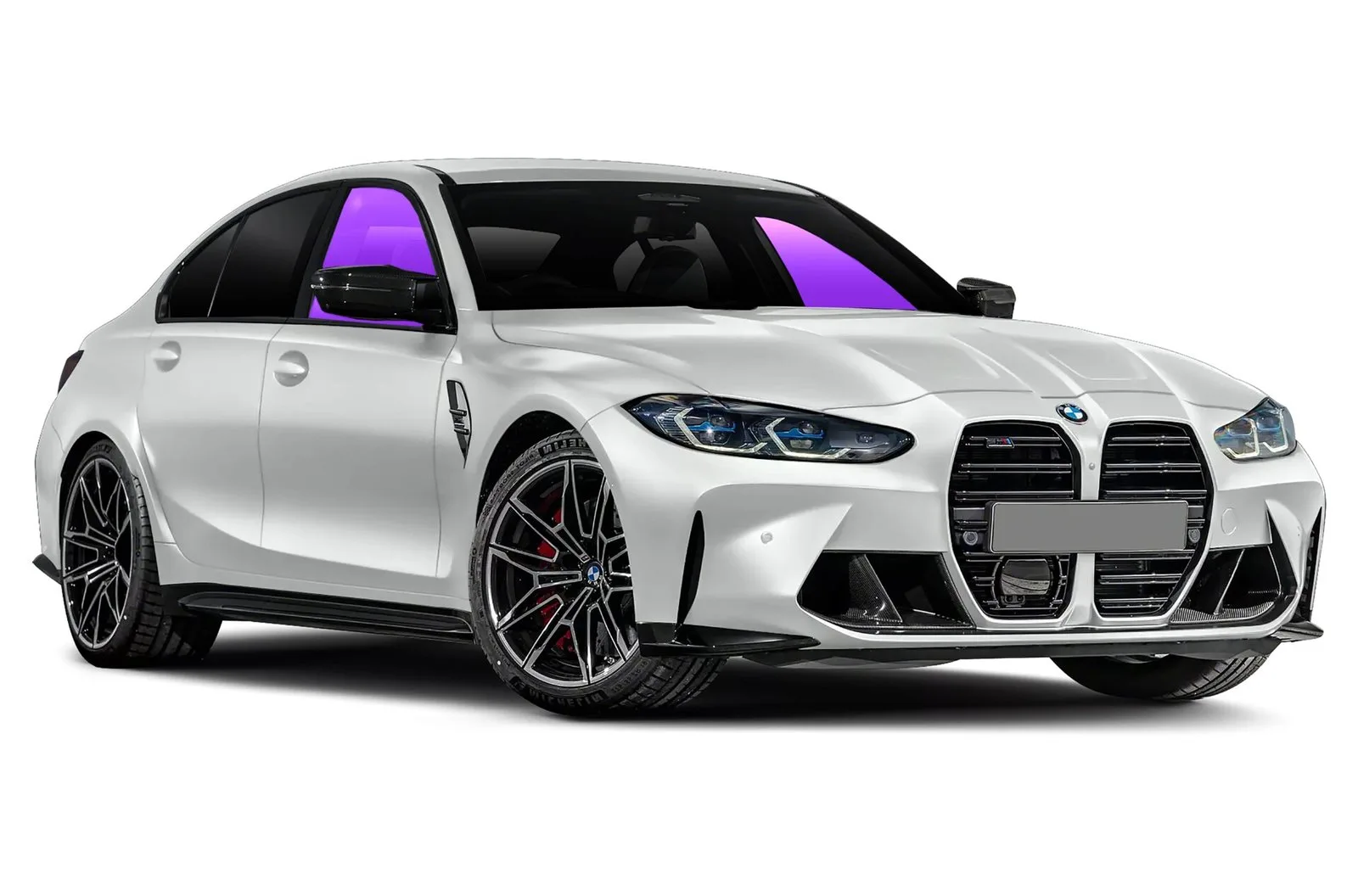
Add ceramic film to the legally permitted upper portion of the front side windows to help control glare and reduce solar heat around the driver and front passenger areas.
Package Coverage:
Ideal For:
Drivers who want targeted glare reduction and added heat control around the front seats while keeping the installation within Michigan’s standard placement rules.

Combine permitted front-side treatment with eligible rear-side and rear-glass coverage for a more complete ceramic-film setup. Coverage is adjusted around the vehicle’s glass design and applicable Michigan requirements.
Package Coverage:
Ideal For:
Drivers who want broader heat management, glare reduction, privacy, and a coordinated appearance across most eligible vehicle glass.

Cover eligible rear-side glass and the rear window with ceramic film for broader heat control, UV protection, privacy, and a more consistent appearance across the back of the vehicle.
Package Coverage:
Ideal For:
Sedans, trucks, SUVs, and family vehicles where rear-cabin comfort, passenger privacy, and reduced sun exposure are important.

Add ceramic film across the legally permitted upper section of the windshield to help reduce bright overhead sunlight and glare without treating the full windshield.
Package Coverage:
Ideal For:
Drivers who frequently deal with direct sunlight and want focused glare control across the upper windshield area.
Ceramic window film offers more than a darker appearance. Its non-metallic construction can improve cabin comfort, visibility, privacy, and protection from everyday sun exposure while maintaining a clean finish across treated automotive glass.
Ceramic tint is designed to manage infrared and solar energy passing through vehicle glass. This can help reduce heat buildup inside the cabin, especially around seats, dashboards, and other surfaces exposed to direct sunlight.
Bright sunlight and reflections can make daytime driving uncomfortable. Ceramic automotive tint helps reduce excessive visible light through treated windows, making regular commuting and longer drives easier on the eyes.
Ceramic window film helps reduce ultraviolet exposure through treated glass. Lower UV exposure can help protect passengers while also limiting prolonged sunlight reaching dashboards, upholstery, leather, and interior trim.
Quality ceramic film provides solar control without an overly reflective appearance. Drivers can gain heat and glare benefits while maintaining clear outward visibility with an appropriate film shade and VLT.
Ceramic tint can make the interior less visible from outside, depending on the selected shade, factory glass, and lighting conditions. This gives passengers additional privacy without relying on metallic or mirror-like film.
Because ceramic film doesn't rely on metallic layers, it is a practical option for vehicles using GPS, Bluetooth, cellular connections, keyless systems, and other electronics common in modern cars and EVs.
Ceramic window film helps reduce heat, glare, and UV exposure without relying on metallic construction. TintedAF provides professional installation for Dearborn Heights drivers looking for better everyday comfort.
Our shop is located directly in Dearborn Heights, making professional ceramic tint installation convenient for drivers around Telegraph Road, Ford Road, Warren Avenue, and nearby communities.
TintedAF backs its automotive window tint installations with a lifetime warranty, subject to applicable warranty terms, giving customers added confidence after installation.
TintedAF brings more than five years of hands-on automotive protection experience to every installation, helping drivers choose ceramic film based on their vehicle, comfort goals, preferred appearance, and legal coverage.
Customers can compare ceramic and carbon window film rather than being limited to one tint category. Our team helps explain differences in heat control, appearance, privacy, and overall performance before installation.
Every vehicle has different window dimensions, curves, and glass layouts. We fit and install ceramic film around the selected vehicle instead of treating every window as a one-size-fits-all application.
A clean installation starts with proper preparation. We thoroughly prepare the selected glass before applying film to help achieve smooth coverage, clean edges, and a consistent finished appearance.
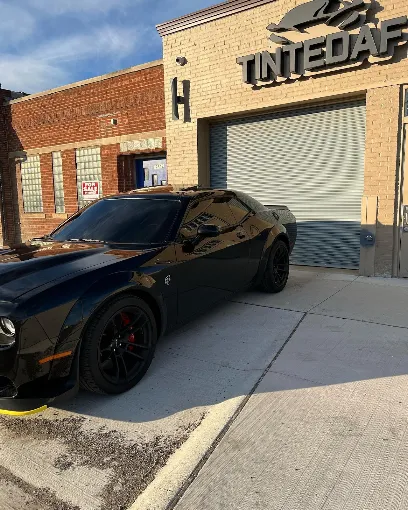
Ceramic window tint is designed to block more solar and infrared energy entering through treated glass. This can help reduce cabin heat buildup around seats, dashboards, and other interior surfaces while keeping the glass clear and comfortable for everyday driving.
Unlike basic dyed film, ceramic window film does not rely mainly on darkness to control heat. Its ceramic-based construction can provide strong heat-rejection performance across different shade levels, so drivers can focus on comfort, visibility, and appearance instead of simply choosing the darkest tint.
Ceramic tint is also non-metallic, which makes it a practical choice for modern cars, trucks, SUVs, and EVs that use GPS, Bluetooth, cellular devices, and other electronics. For Dearborn Heights drivers, it offers a balance of heat control, glare reduction, UV protection, and signal-friendly performance.
OUR PROCESS
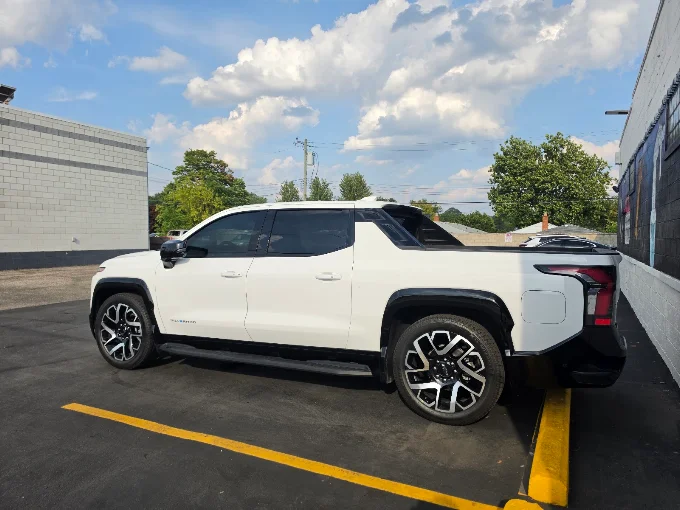
We review the vehicle, existing tint, factory privacy glass, requested coverage, and preferred shade before installation begins.
We carefully clean the selected windows to remove dust, oils, fingerprints, and surface residue that could affect film adhesion or appearance.
The ceramic window film is cut to the dimensions and contours of each selected window for accurate coverage and clean edges.
Our installers position the film on the prepared glass and form it to curved automotive windows, as needed, for a smooth, consistent fit.
We inspect the film placement, edges, and visible finish before returning the vehicle. Customers also receive guidance on curing, window operation, and safe cleaning after installation.
We explain the initial curing period and provide instructions for window operation and cleaning after installation.
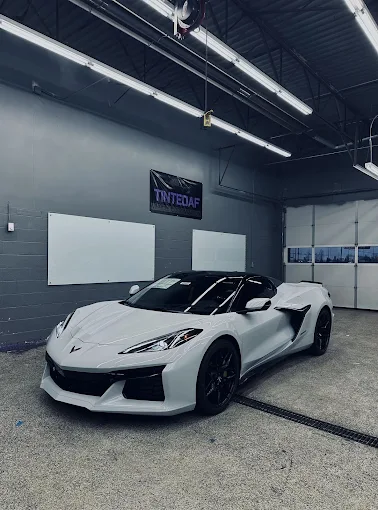
Take a look at recent TintedAF window tint projects to see the clean finish, consistent coverage, and professional installation customers can expect.
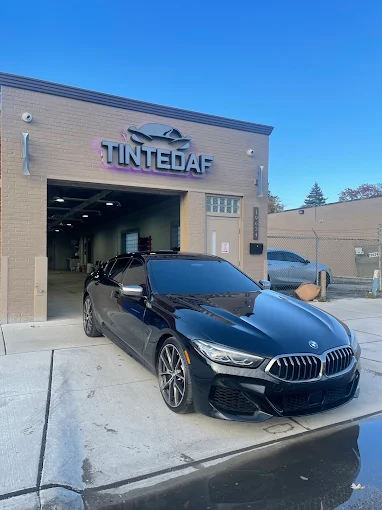
Michigan window tint law focuses heavily on where film can be installed, not just on darkness. Under MCL 257.709, tint on the windshield and the side windows immediately beside the driver and front passenger is generally limited to an upper strip that extends no more than 4 inches from the top, or below the shade band if that is closer to the top.
Rear side windows and the rear window can accept broader tint coverage, although Michigan prohibits applications with solar reflectivity of 35% or more in the visible-light range. If rear visibility is obstructed, the vehicle must also have properly adjusted outside mirrors on both sides.
Michigan also provides a medical-necessity exception for qualifying drivers or passengers when they carry the required documentation. TintedAF can help explain ceramic film placement options, but customers should confirm that their final setup complies with current Michigan requirements
Michigan Tint Regulations
Michigan’s window tint rules are set out in MCL 257.709. The law limits where film may go on a vehicle’s windows and how reflective it can be, and it treats the windshield, the front side windows and the rear glass differently.
Tint darkness is usually described by VLT, short for Visible Light Transmission, where a lower percentage means darker film. Michigan’s statute does not state a VLT number for these windows, so the table describes each window’s rule in plain words.
Badge: We help you stay within Michigan tint law
Window | Minimum VLT Required | |
Windshield | Top edge strip only: no more than 4 inches from the top, or the shade band if smaller | |
Front Side Windows | No film on factory glass; medical exemption possible | |
Rear Side Windows | No VLT number. Non-reflective film allowed, under 35% reflectance | |
Rear Window | No VLT number. Non-reflective film allowed, under 35% reflectance |
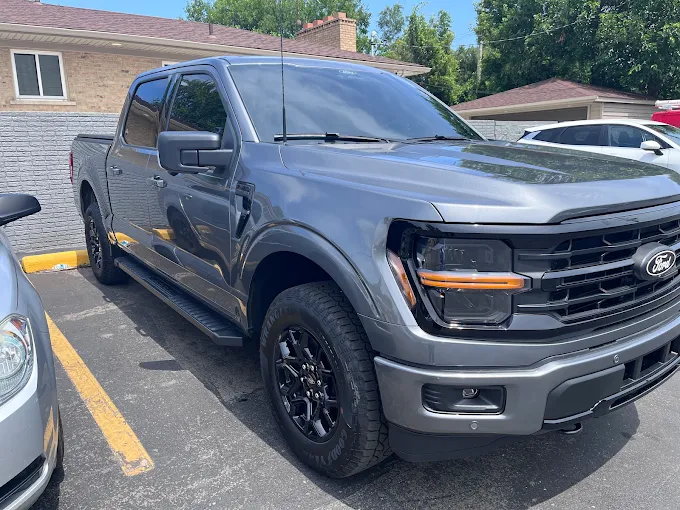
The cost of ceramic window tinting depends on your vehicle, the amount of glass being treated, and the coverage you choose. A coupe, sedan, truck, SUV, or EV can require different amounts of film and installation work because window size, shape, and total glass area vary.
Pricing can also change based on the ceramic film you choose, whether you tint only the rear glass or opt for broader coverage, and whether old aftermarket tint needs to be removed first. Curved glass, existing adhesive, and additional preparation can also affect the final quote.
For the most accurate price, contact our team with your vehicle year, make, model, existing tint, and preferred ceramic-film coverage. This lets the Dearborn Heights team recommend the right setup and provide current pricing based on your vehicle, not a generic estimate.
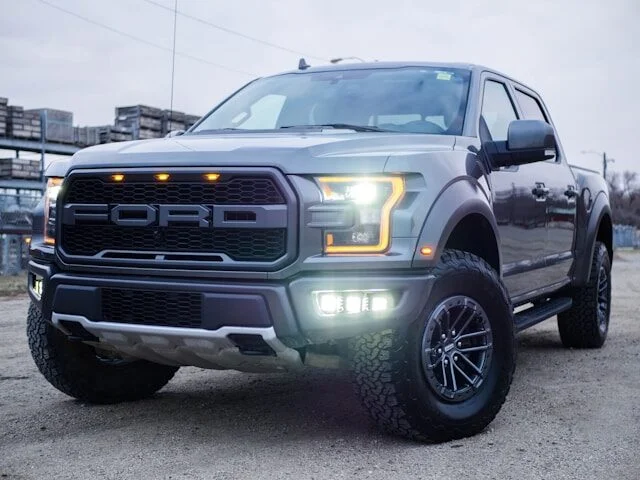
TintedAF works with a wide range of cars, trucks, SUVs, EVs, luxury vehicles, and performance models. Window shape, factory glass, door design, sensors, and existing tint can affect how we plan the job.
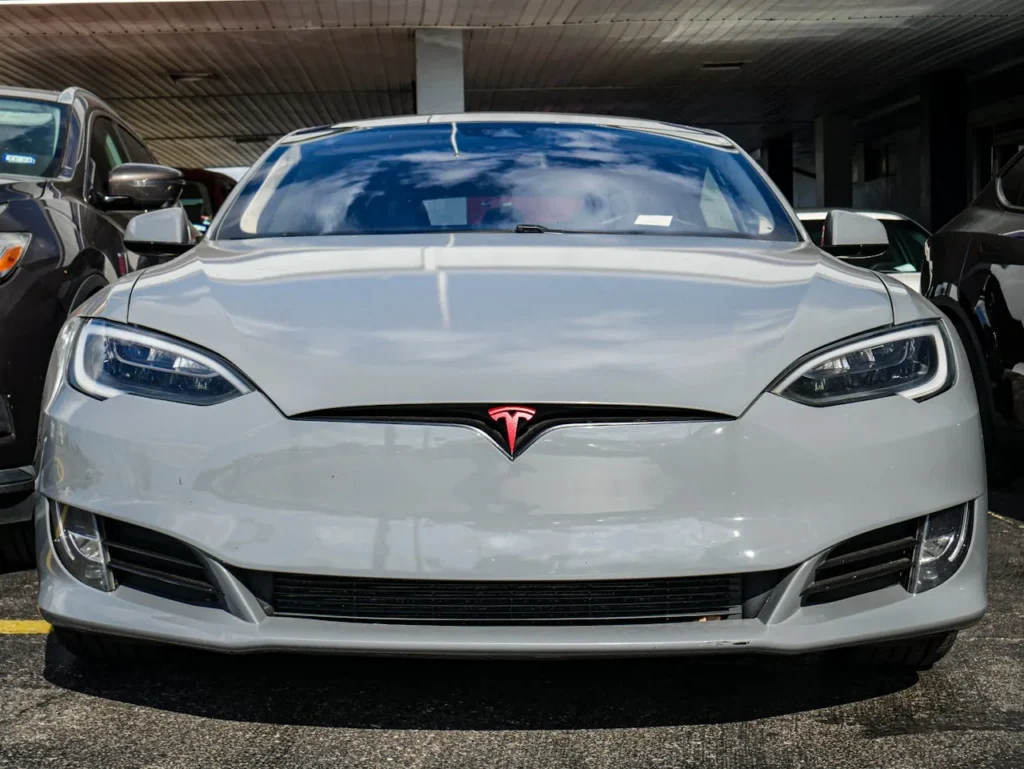

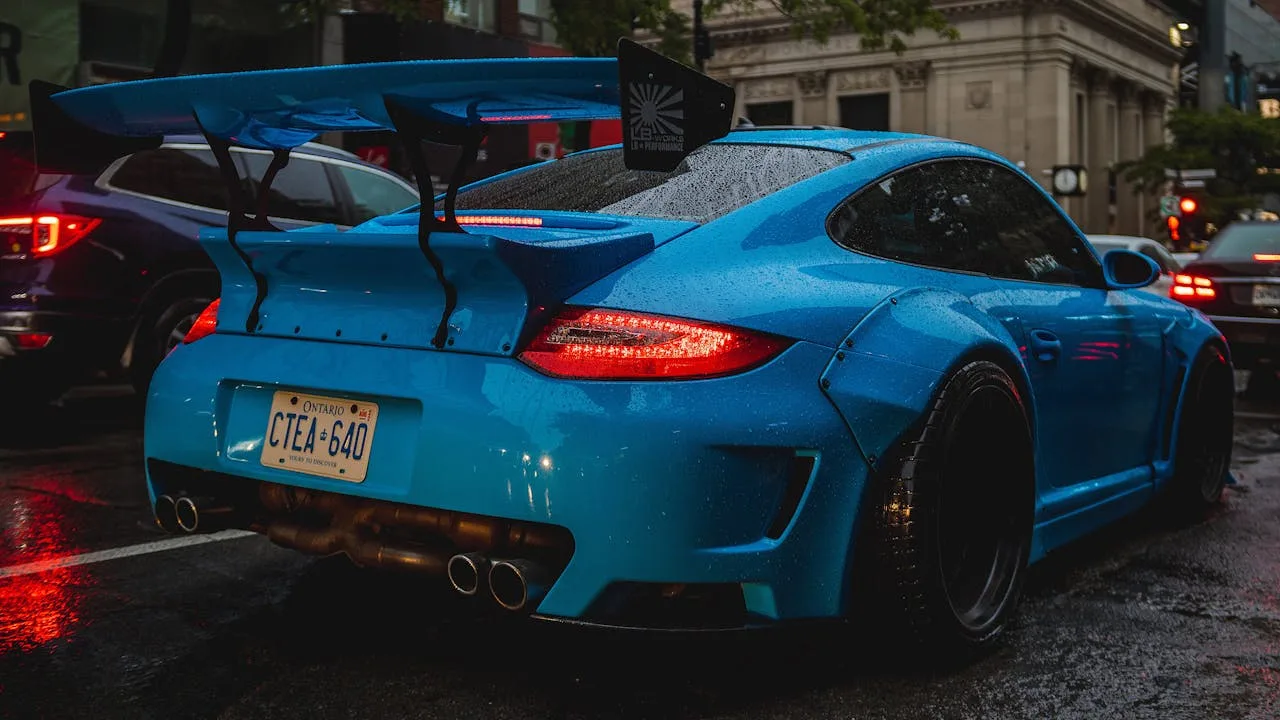



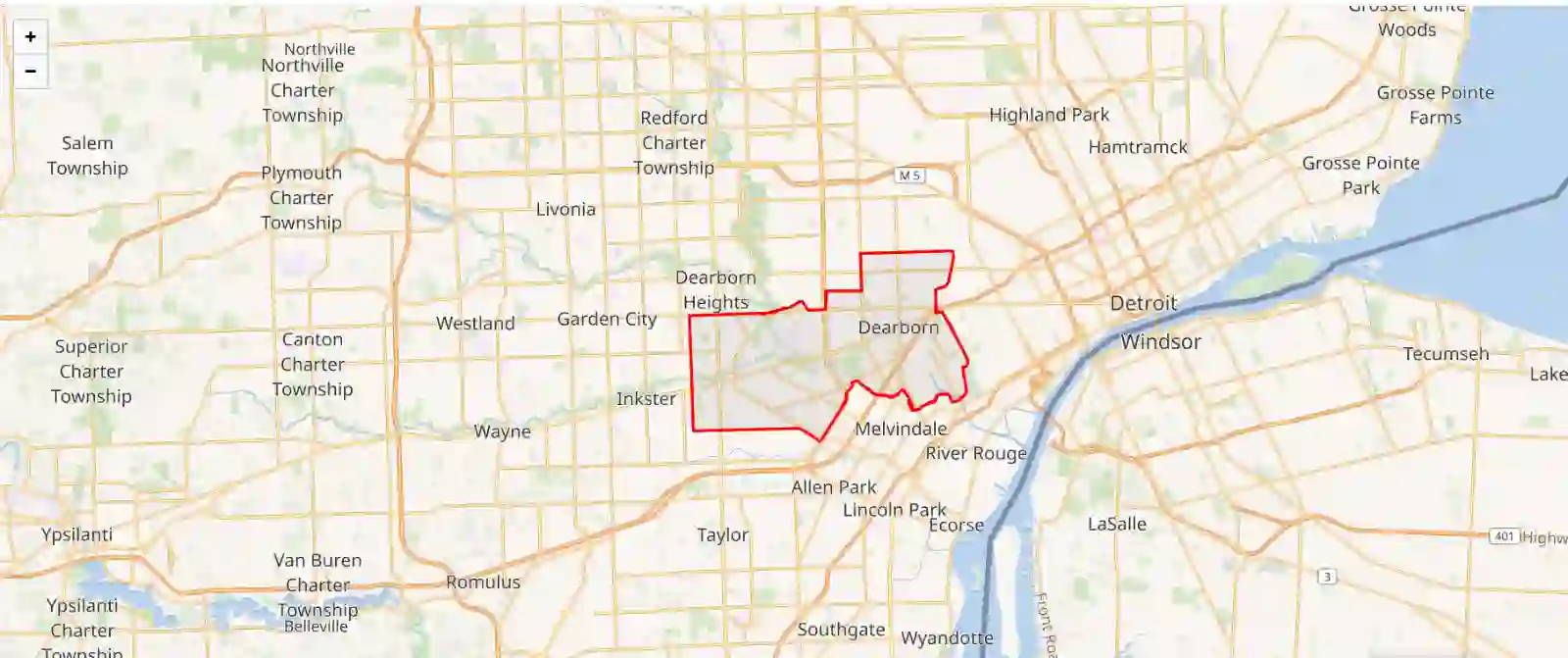
If you are searching for carbon tint near you in Dearborn Heights, TintedAF operates directly from 6216 N Telegraph Rd, Dearborn Heights, MI 48127. The shop serves drivers throughout Dearborn Heights and surrounding Metro Detroit communities.
Upgrade your vehicle with ceramic window film designed for better heat control, glare reduction, UV protection, privacy, and a clean finish. TintedAF provides professional ceramic tint installation for cars, trucks, SUVs, EVs, and daily drivers throughout Dearborn Heights.
Dearborn Heights is a Wayne County community within the Metro Detroit area, positioned between Dearborn, Westland, and several other well-connected suburbs. Major roads such as Telegraph Road, Ford Road, and Warren Avenue support everyday commuting, shopping, school travel, and regular trips throughout the surrounding region.
Local drivers experience Michigan’s changing conditions year-round, from bright summer sun to colder winter weather. Frequent commuting and daily vehicle use can make heat control, glare reduction, interior sun protection, and comfortable visibility important considerations when choosing automotive window film.
TintedAF is locally based in Dearborn Heights and provides ceramic window tinting for cars, trucks, SUVs, EVs, luxury vehicles, and daily drivers. Customers can also access carbon tint, paint protection film, ceramic coating, vehicle wraps, and detailing through the same automotive protection shop.
Ceramic tint can be worth the upgrade if heat control, glare reduction, UV protection, and long-term performance matter. It generally costs more than carbon or dyed film, but its non-metallic construction is designed for stronger solar performance and better everyday cabin comfort.
Yes. Ceramic window film is designed to reduce solar and infrared heat entering through treated glass, which can help keep the cabin more comfortable. Actual performance depends on the film, shade, glass, and coverage, so don’t judge heat rejection by tint darkness alone.
Yes. Lighter ceramic tint can still provide meaningful heat control because ceramic-film performance depends on its construction, not only how dark it looks. Higher-VLT film allows more visible light through while still offering solar-control benefits, depending on the specific ceramic film selected.
Ceramic tint generally prioritizes stronger heat control and optical clarity, while carbon tint is popular for its deep, non-reflective appearance and balanced value. Both are non-metallic options that can improve glare control, privacy, UV protection, and everyday driving comfort.
Carbon film is generally chosen as an upgrade from basic dyed film because of its greater color stability and improved solar-control performance. However, performance varies by product. A good installation and quality film matter more than the category name.
VLT means visible light transmission and measures how much visible light passes through the combined glass and film. Lower VLT looks darker, while higher VLT allows more light through. VLT doesn’t measure heat rejection on its own, so consider shade and ceramic-film performance separately.
Michigan generally permits tint on rear side windows and the rear window, while tint on the front side windows is limited to the top 4 inches unless a qualifying medical exception applies. Michigan does not set a universal darkness limit but prohibits solar reflectivity above 35%.
TintedAF’s current pricing content places full-vehicle ceramic tint for a standard sedan at roughly $350 to $600, depending on vehicle size and product tier. Window count, glass complexity, existing tint removal, and coverage can also affect the final price, so a vehicle-specific quote is best.
Quality ceramic film is designed for long-term automotive use, but lifespan depends on film quality, installation, sun exposure, storage, and maintenance. TintedAF currently backs its window tint installations with a lifetime warranty, subject to applicable warranty terms.
Wait until the ceramic film has had enough time to set before lowering treated windows. Curing time can vary with temperature, humidity, weather, and film type. TintedAF provides aftercare guidance after installation so you know when to operate and clean the windows safely.
Faqs