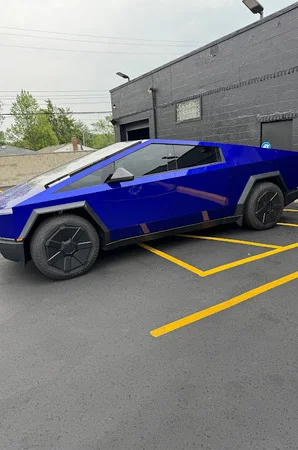
Michigan weather doesn’t hold back, and Inkster drivers know this firsthand. Between icy winters, rainy springs, and sweltering summers, your vehicle’s exterior is exposed to extreme conditions that chip, fade, and wear down your paint fast. If your car parks near Inkster Valley Golf Course or runs errands around Beech Daly Road, it’s constantly under fire from road salt, UV rays, and airborne contaminants.
That’s exactly where Paint Protection Film (PPF) in Inkster becomes a long-term investment, not just a car upgrade. With its self-healing surface, UV-resistant top coat, and hydrophobic features, PPF helps your paint withstand the rough realities of Inkster’s four-season weather. But how much does the climate really impact PPF durability, and what should you know before installing it in this part of Wayne County? Let’s break it down.
Michigan Weather Creates Unique Paint Protection Challenges
In Inkster, you experience cold winters, hot summers, and wet, humid periods during the spring and fall. These seasonal swings put pressure on both the paint underneath and the film applied on top. It is not a steady climate like the South or West Coast. The shifts in temperature and moisture constantly test the flexibility, adhesion, and clarity of PPF. This makes selecting the right materials and proper installation even more important for long-term protection.
Understanding Paint Protection Film and Its Role in Harsh Climates
Paint Protection Film is a clear, urethane material that absorbs impacts and protects paint from chips, stains, and oxidation. It is flexible enough to stretch across curved panels while strong enough to stop rocks and road debris. PPF has become popular in cities like Inkster because it reduces the long-term damage caused by climate and environmental exposure. Modern films include self-healing properties that remove light scratches with heat and hydrophobic coatings that repel dirt and moisture.
How Harsh Winters Affect PPF Longevity
Road Salt and Corrosion Risks
Michigan winters bring heavy road salt use, and that salt sits on vehicle surfaces, slowly eating into paint if left unprotected. Paint Protection Film (PPF) acts as a physical barrier, preventing salt from reaching the clear coat and causing corrosion. The film absorbs the abuse so your paint does not have to.
At TintedAF, we install high-quality PPF designed to handle harsh winter conditions, helping protect your vehicle from salt, grime, and daily road debris. When premium film is professionally installed, it maintains clarity, flexibility, and long-term durability. However, if the film is low quality or poorly installed, repeated salt exposure can cause discoloration or hardness loss, reducing its protective performance over time.
Freezing Temperatures and Adhesion
Freezing temperatures create expansion and contraction across the vehicle’s panels. If PPF is not installed in the right conditions, this movement can cause lifting at edges or minor cracking. Areas with constant winter buildup, such as the roads around John Daly Street, expose vehicles to repeated cycles of ice formation that test the flexibility of the film. A high quality, properly installed film remains stable even through these intense freeze cycles.
How Summer Heat and Sun Exposure Wear Down PPF
UV Rays and Oxidation
Parking near community spaces like Inkster Park and Picnic Shelter exposes vehicles to strong sunlight for long periods. UV rays degrade the top layers of paint, causing fading and oxidation. PPF slows this process by blocking UV radiation and preserving the original finish. Darker vehicles benefit even more because they absorb heat faster and show oxidation sooner without protection.
High Heat and Film Stability
Hot, humid stretches of weather also impact PPF shop in Inkster, MI. Materials that lack UV stabilizers may yellow or lose clarity during high heat exposure. Quality film maintains transparency and elasticity even during hot summer days. A well installed film also resists bubbling and separation that cheaper materials may show under intense sun.
The Impact of Road Debris Throughout the Year
Inkster roads can be rough on vehicle paint. Loose gravel, construction debris, small metal fragments, and seasonal dirt buildup all become hazards that strike vulnerable areas like bumpers and hoods. Driving through busy intersections such as Michigan Avenue and Inkster Road increases your exposure to airborne debris from surrounding traffic. PPF protects these surfaces by absorbing the impact before it reaches the paint. The film prevents chips and pitting that would otherwise require repainting.
Humidity and Moisture Can Affect Adhesion
Inkster’s spring and fall months often come with long periods of humidity. Moisture can create challenges during installation if the vehicle surface is not properly prepped. Water trapped under the film may appear as bubbles or hazy spots. These issues do not occur with proper cleaning, controlled workspace conditions, and careful film application. Once cured, PPF resists long term moisture exposure, but installation quality is critical.
Local Driving Patterns That Influence PPF Wear
Certain parts of Inkster experience more traffic, more debris, and more environmental exposure. Streets like Beech Daly Road carry consistent traffic flow, which increases the amount of dirt, exhaust residue, and airborne particles in the area. These elements gradually wear down unprotected paint. Cars that navigate these roads frequently benefit most from front end PPF coverage because these areas experience the highest level of contact with debris.
How to Extend the Life of PPF in Inkster Weather
Long term PPF performance depends on maintenance. Washing your vehicle with gentle, pH neutral soap prevents contaminants from bonding to the film. Avoiding abrasive sponges, harsh chemicals, or automated car washes also protects the top layer. Regular inspections every year or two help catch early signs of lifting or surface deterioration. Many Inkster drivers apply ceramic coating over PPF to improve hydrophobic behavior and make cleaning easier throughout the year.
Final Thoughts on PPF for Inkster Drivers
Inkster weather creates tough conditions for any vehicle. From freezing winters to hot summers, the climate constantly challenges your paint. Paint Protection Film provides a reliable barrier that preserves your vehicle’s finish through every season. It reduces wear, prevents chips, blocks UV rays, and minimizes corrosion risks. When installed by trained professionals like Inkster automotive PPF installers, the film delivers dependable long term durability that keeps your car looking new.
Maintain Paint Protection Film in Grandale, Detroit MI by hand washing with gentle soap, avoiding harsh chemicals and automatic washes, and drying with soft microfiber towels.
FAQs
Does winter weather in Inkster shorten the lifespan of PPF
Winter weather can stress the film due to salt and freezing temperatures. High quality PPF withstands these conditions when installed correctly.
Can PPF prevent oxidation caused by summer sun
Yes. PPF blocks harmful UV rays and slows the oxidation process that normally affects unprotected paint during long sun exposure.
Does humidity affect the clarity of Paint Protection Film
Humidity during installation can trap moisture under the film. Proper prep ensures clear, bubble free results that remain stable after curing.
Is PPF helpful for vehicles that drive on rough Inkster roads
Absolutely. Roads with debris and heavy traffic create frequent paint impact risks. PPF absorbs these impacts and prevents chipping.
How often should PPF be inspected in Michigan weather
Once or twice a year is ideal. Regular inspection helps maintain long term performance through Inkster’s varied climate.