Driving across Michigan brings all kinds of challenges. One moment you’re cruising through tree-lined suburbs, and the next you’re stuck on a reflective highway with the sun glaring directly into your eyes. Glare, visibility issues, and interior discomfort often turn a simple drive into something stressful.
Professional auto window tinting solves more than most drivers expect. It goes beyond adding style. It plays a direct role in improving focus, comfort, and visibility. This is especially important in places like Michigan where lighting conditions change fast and road distractions are common.
This article explores how window tinting enhances safety and driving comfort on Michigan roads. Each section highlights real-world driving issues and explains how tinting provides relief. You’ll also find insights into local tint laws and the benefits of working with trusted Michigan-based tinting providers.
About Driving Conditions in Michigan
What Makes Michigan Roads Challenging for Drivers?
Michigan roads are unpredictable. Snow, overcast skies, scattered sunlight, and road construction create a mix that can test any driver’s patience. Visual clarity becomes difficult during sunny winter days when snow reflects bright light into windshields. In fall and spring, overcast skies reduce contrast and dull your field of vision.
Long drives on I-94, I-96, and M-39 often mean constant exposure to reflective surfaces, bright angles of light, and windshield glare. Each of these factors builds up fatigue and stress behind the wheel. This environment demands more than a clean windshield. It calls for better light management inside the vehicle.
Common Visual Distractions and Risks on Local Roads
Driving through Michigan neighborhoods and cities presents constant shifts in visibility. These include:
- Glare from polished hoods and chrome bumpers in traffic
- Sudden flashes of light between trees, buildings, or overhead signs
- Quick shifts in brightness when leaving shaded areas
- Harsh headlight glare from vehicles behind or in oncoming lanes
Each of these scenarios affects reaction time and driver focus. The eyes strain to adjust, leading to fatigue, tension, and slower decisions. When drivers can’t see clearly or comfortably, safety takes a hit.
Understanding Window Tinting
What Is Automotive Window Tinting?
Automotive window tinting refers to the application of a thin film to a vehicle’s glass surfaces. This film is designed to control how much visible light, infrared heat, and ultraviolet radiation passes through the glass. Most drivers recognize tint by its shade or color, but the benefits run deeper than appearance.
Tinting films come in different materials and performance levels. Some reduce interior heat. Others block UV rays that can damage upholstery. Higher-end films even reduce glare and improve visibility without making the glass too dark. When applied correctly, tinting creates a more balanced and controlled driving environment inside the cabin.
The key is that not all tint films are the same. Some are designed strictly for aesthetics, while others are engineered for performance and comfort. The right film depends on driving habits, road conditions, and what you want your tint to achieve.
How Professional Tinting Differs from DIY Kits
Professional tint installation is in a different league compared to DIY kits. Many drivers are tempted by low-cost, do-it-yourself options found online or at big box stores. These kits may seem simple but often lead to uneven application, bubbles, peeling, and reduced visibility.
Experienced installers use precision-cut software, heat shrinking techniques, and cleanroom environments to deliver long-lasting, high-performing results. More importantly, professionals know how to stay within Michigan’s legal tint limits, which vary by vehicle type and window location.
DIY applications rarely match the quality, durability, or clarity of professional installations. Poorly applied tint can actually make visibility worse, not better, especially at night or in low-light conditions. When safety and compliance are priorities, cutting corners with film isn’t worth the risk.
How Window Tinting Enhances Driving Comfort
Reduced Glare from Headlights and Sunlight
Glare ranks among the most common sources of driving discomfort on Michigan roads. Sunlight reflecting off wet pavement, windshields, or snowbanks often creates harsh brightness that strains the eyes. Oncoming headlights at night add another layer of visual stress, especially during long commutes.
Window tinting softens this light before it enters the cabin. By filtering excessive brightness, tint helps maintain a consistent visual field. Drivers experience fewer sudden flashes of light, which makes steering, lane changes, and traffic awareness feel more controlled and relaxed.
Glare’s Effect on Eye Fatigue and Reaction Time
Constant exposure to glare forces the eyes to work harder than necessary. Muscles tighten as the eyes adjust repeatedly between bright and shaded areas. Over time, this strain slows reaction time and reduces focus.
Tinted windows reduce these extreme light shifts. The eyes stay more relaxed, allowing drivers to respond faster to traffic signals, pedestrians, and road hazards. Comfort improves not because the road changes, but because the visual load becomes easier to manage.
Better Temperature Control for Daily Commutes
Cabin temperature plays a major role in driving comfort. Even during mild Michigan days, sunlight passing through untreated glass can heat seats, dashboards, and steering wheels. This trapped heat creates discomfort and distraction, especially during longer drives.
Window tinting blocks a portion of solar energy before it enters the vehicle. Interior surfaces stay cooler, air circulation feels more balanced, and the cabin remains comfortable without constant climate adjustments. A stable interior temperature helps drivers stay calm and focused rather than distracted by discomfort.
How Tinting Contributes to Road Safety
Improved Visibility and Focus Behind the Wheel
Clear visibility supports safer driving decisions. Excessive light, glare, and reflections reduce contrast and make it harder to judge distance and speed. These conditions demand more mental effort, which increases fatigue over time.
Window tinting improves visual clarity by cutting down excess brightness while preserving visibility. Road markings, traffic signals, and surrounding vehicles appear more defined. Drivers maintain better focus on what matters instead of fighting visual interference.
Minimizing Distractions for Safer Driving
Distractions do not always come from inside the vehicle. Light flickers, reflections, and glare constantly pull attention away from the road. Each distraction increases the chance of delayed reactions.
Tinted windows create a calmer visual environment. Outside light enters the cabin in a more controlled way, reducing sudden changes that demand attention. This steady visual experience helps drivers stay engaged with traffic flow rather than reacting to distractions.
How Tint Prevents Flash Reflections from Surrounding Vehicles
Flash reflections often come from polished surfaces like chrome trim, glass panels, and mirrors on nearby vehicles. These reflections appear without warning and disappear just as quickly, forcing the eyes to adjust repeatedly.
Window tinting absorbs and diffuses much of this reflected light. The result feels similar to wearing quality sunglasses that stay consistent throughout the drive. Visual interruptions decrease, allowing drivers to maintain steady awareness of their surroundings.
Michigan-Specific Factors That Make Tinting Useful
Impact of Cloudy Skies, Snow Glare, and Long Drives
Michigan experiences a wide range of weather patterns that create challenging driving conditions. Cloudy skies reduce contrast on the road, making it harder to spot potholes, debris, or changing traffic signals. When sunlight does appear, especially in winter, it often reflects sharply off snow and ice, creating intense glare across windshields.
Snow glare can be just as disruptive as bright summer light. It blinds drivers temporarily and makes it harder to track motion on the road. This condition increases risk during merging, lane changes, and braking.
Window tinting softens this light, even on overcast days. Tinted glass filters both direct sunlight and reflected glare, helping drivers maintain clearer focus in unpredictable light conditions. For those who spend time on Michigan’s major highways or long suburban commutes, the difference in visual comfort is noticeable.
Enhancing Safety Across Changing Seasons
Michigan drivers transition through four distinct seasons. Spring rain, summer sun, autumn fog, and winter snow each affect how much light enters the vehicle. Driving without some form of light control leads to inconsistency in how the road appears throughout the year.
Tinted windows create a more consistent interior driving experience. While the environment outside may shift daily, the inside of the vehicle remains balanced in terms of brightness and temperature. That consistency reduces strain and helps drivers stay focused regardless of season.
The ever-changing Michigan climate demands flexible solutions. Window tinting delivers year-round comfort and safety without requiring manual adjustments.
Understanding Michigan’s Window Tint Laws
Legal Tint Limits and Visibility Standards for Michigan Drivers
Michigan has specific laws that regulate how dark or reflective a vehicle’s window tint can be. These laws exist to protect visibility and ensure safe driving conditions for both the driver and others on the road.
For passenger vehicles:
- Front side windows must allow more than 35% of visible light to pass through.
- Rear side windows and back windows may have any tint darkness.
- Windshields may only have a tinted strip at the top, known as an AS-1 line, or the top 4 inches, whichever is longer.
Reflective or mirrored tinting is also limited. Michigan restricts the use of films that create intense reflections which can interfere with the visibility of other drivers.
Understanding these guidelines is important before choosing a tint level. Installers who specialize in Michigan regulations help drivers stay compliant without sacrificing visual comfort or safety.
Why Staying Within the Law Matters for Safety and Compliance
Tint laws are not just about avoiding tickets. Following these regulations also supports road safety. Excessively dark tint on front windows can limit peripheral vision or create blind spots. This affects awareness of pedestrians, cyclists, and traffic signals.
Legal compliance also ensures that emergency responders can see into vehicles during accidents. Maintaining the right balance between visibility and protection helps everyone on the road, including law enforcement, passengers, and other drivers.
Choosing the correct tint level for Michigan ensures that all benefits of window tinting are gained without putting safety or legality at risk.
Expert Window Tinting Providers in Michigan
Local Knowledge, Trusted Service: TintedAF and Prestige Protective Films
Michigan roads present a unique blend of driving conditions. From harsh sunlight and snow glare to cloudy days and long commutes, drivers require more than just a basic window tint. Local professionals who understand these conditions are essential. Two standout providers, TintedAF in Dearborn Heights and Prestige Protective Films in Waterford, consistently deliver high-quality results grounded in real-world driving needs.
TintedAF: Ceramic and Carbon Tint Specialists in Dearborn Heights, MI
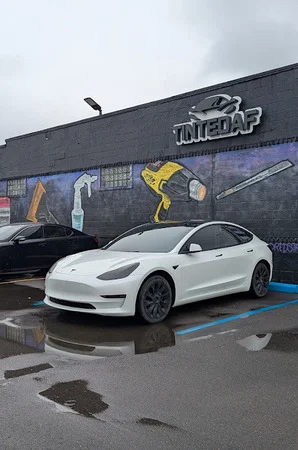
Located in Dearborn Heights, Michigan, TintedAF focuses solely on professional-grade automotive window tinting. The business is known for clean, precise installations and a strong commitment to local compliance. Installers at TintedAF work with ceramic and carbon film options, giving Michigan drivers the flexibility to choose the right level of glare reduction, heat rejection, and clarity.
Ceramic tint offers powerful infrared heat rejection while maintaining excellent visibility, making it ideal for drivers concerned about eye strain and cabin comfort. Carbon tint, on the other hand, provides fade-resistant protection with enhanced privacy and a more natural finish.
Drivers across Southeast Michigan, including areas like Livonia, Westland, Allen Park, Redford, and Taylor, turn to TintedAF for:
- High-quality ceramic and carbon window films
- Legal compliance with Michigan tint laws
- A reputation for reliable, fast, and precise installs
The shop focuses exclusively on automotive tint, allowing them to fine-tune every installation to the specific demands of Michigan drivers.
Prestige Protective Films: XPEL Window Tinting and Surface Protection in Waterford, MI
In Waterford, Michigan, Prestige Protective Films provides a broader range of automotive protection services, including window tinting, paint protection film (PPF), and ceramic coatings. The studio specializes in XPEL window films, offering both dyed and ceramic options depending on the customer’s performance and comfort needs.
Prestige Protective Films ’s certified installers apply tint inside a controlled environment, reducing contamination and ensuring a flawless finish. Their experience with XPEL Prime film technology means Michigan drivers benefit from a tint that offers maximum heat rejection, enhanced clarity, and long-term durability.
The shop also serves vehicle owners who want to combine tinting with full exterior protection. Tesla owners, performance vehicle enthusiasts, and commuters alike choose Prestige for:
- XPEL-certified window tint installations
- A full range of automotive protection services
- A studio environment optimized for precision work
- Service areas extending through Oakland County and Metro Detroit
The team ensures every tint meets Michigan’s legal requirements while helping drivers reduce glare, stay comfortable, and improve visibility.
Both TintedAF and Prestige Protective Films bring local expertise, legal awareness, and product knowledge to Michigan drivers. Choosing either provider means gaining a safer, more comfortable driving experience, backed by installers who understand the unique conditions across the state.
Myths About Tinting and Driver Visibility
Misconception: Window Tint Makes Night Driving Dangerous
Some Michigan drivers believe that window tinting reduces visibility at night. This assumption usually comes from past experiences with films that were too dark or improperly installed. When the wrong type of film is used or applied beyond legal limits, visibility issues can happen, but that’s not the case with professional installations done correctly.
Modern ceramic and carbon films are designed to reduce glare while maintaining high levels of visible light transmission. These films soften harsh lights from oncoming traffic and streetlamps without making the cabin feel dark or unsafe. The goal of quality tint isn’t to darken vision, but to manage excessive brightness in a way that supports driver focus.
When films are selected with proper visible light transmission (VLT) and applied by certified installers, night driving feels clearer, not more difficult. Films that stay within Michigan’s legal range help maintain full visibility, even after sunset.
Clarification: Tint Laws in Michigan Are Designed for Safety
Michigan’s window tint laws are not random. They exist to ensure visibility remains clear while still giving drivers access to comfort and protection. Legal guidelines require:
- Front side windows to allow over 35% visible light
- Windshield tinting to remain only on the top 4 inches or above the AS-1 line
- Rear windows may have darker films, depending on the vehicle
These limits help balance comfort and safety. Excessively dark tint can block too much light and reduce a driver’s ability to spot pedestrians, lane markers, or obstacles. Staying within legal tint levels ensures the benefits of reduced glare and heat without compromising what drivers can see, day or night.
Installers who understand these laws help drivers choose films that meet the standards without creating visibility concerns. Clarity, safety, and legal compliance all work together when tint is done the right way.
Why Quality Installation Matters
How Professional Installers Ensure Compliance and Clarity
Choosing a qualified installer is just as important as choosing the right film. Professional tint shops in Michigan not only understand the legal framework but also know how to apply film with precision and consistency. This results in clean, bubble-free applications that last longer and look better.
Experienced installers:
- Measure each window for legal compliance
- Use advanced cutting and fitting tools
- Apply film in clean, dust-free environments
- Advise on film types that suit both the vehicle and the driver’s goals
These practices ensure that drivers enjoy the full benefits of window tinting without the risks of poor visibility, legal violations, or early film failure. Shops like TintedAF and Prestige Protective Films follow these standards in every job they take on.
Film Types That Balance Safety and Aesthetics
Not all films perform equally. Some are darker but offer minimal heat rejection. Others block UV and infrared rays without making the window appear too dark. Ceramic films are a top choice for Michigan drivers because they offer a strong balance: high performance, legal light levels, and superior clarity.
Carbon films also offer a solid middle ground. They add style and privacy while remaining fade-resistant and legally compliant. The right film is one that solves the driver’s comfort and visibility challenges without going beyond legal or safety limits.
Professional shops help drivers find this balance. They test visibility before and after installation and offer film options that meet both style preferences and practical needs. The goal is to enhance safety and comfort, not just change how the vehicle looks.
Final Thoughts
Michigan drivers face a mix of road conditions that demand consistent visibility, comfort, and focus. From snow glare and cloudy skies to long stretches of highway, small visual distractions can quickly turn into safety concerns. Window tinting offers a practical solution by reducing glare, balancing interior temperatures, and supporting clearer vision on the road.
The benefits go beyond aesthetics. When installed by professionals who understand Michigan’s legal standards and driving environment, window tinting becomes a safety tool, not just a visual upgrade. With options like ceramic and carbon films, drivers gain protection without sacrificing clarity.
Choosing trusted providers like TintedAF in Dearborn Heights and Prestige Protective Films in Waterford ensures legal compliance, film longevity, and comfort that lasts through every season. Window tinting is not just about how your car looks. It’s about how you feel behind the wheel.
FAQs
1. What is the legal window tint limit in Michigan?
Michigan requires front side windows to allow more than 35% of visible light to pass through. Windshield tinting is limited to the top 4 inches or above the AS-1 line. Rear windows may have darker tint depending on the vehicle type.
2. Does window tint help during winter driving in Michigan?
Yes. Tint reduces glare from snow, wet pavement, and low winter sun, making it easier to see during cold-weather drives. It also helps regulate interior temperature and protects cabin materials from UV damage year-round.
3. Is ceramic tint better than regular tint for Michigan roads?
Ceramic tint offers higher infrared heat rejection and glare reduction compared to dyed or basic tint. It performs well across Michigan’s changing seasons while maintaining clear visibility.
4. Can window tinting reduce driver fatigue?
Yes. Tint helps prevent eye strain caused by sudden flashes of light, headlight glare, and sun reflections. This supports better focus and faster reaction times during long drives or daily commutes.
5. Where can I get professional window tinting in Southeast Michigan?
Drivers can visit TintedAF in Dearborn Heights for expert ceramic and carbon tinting services or Prestige Protective Films in Waterford for high-end XPEL film installations. Both are trusted by Michigan drivers for legal, reliable, and precise tint applications.