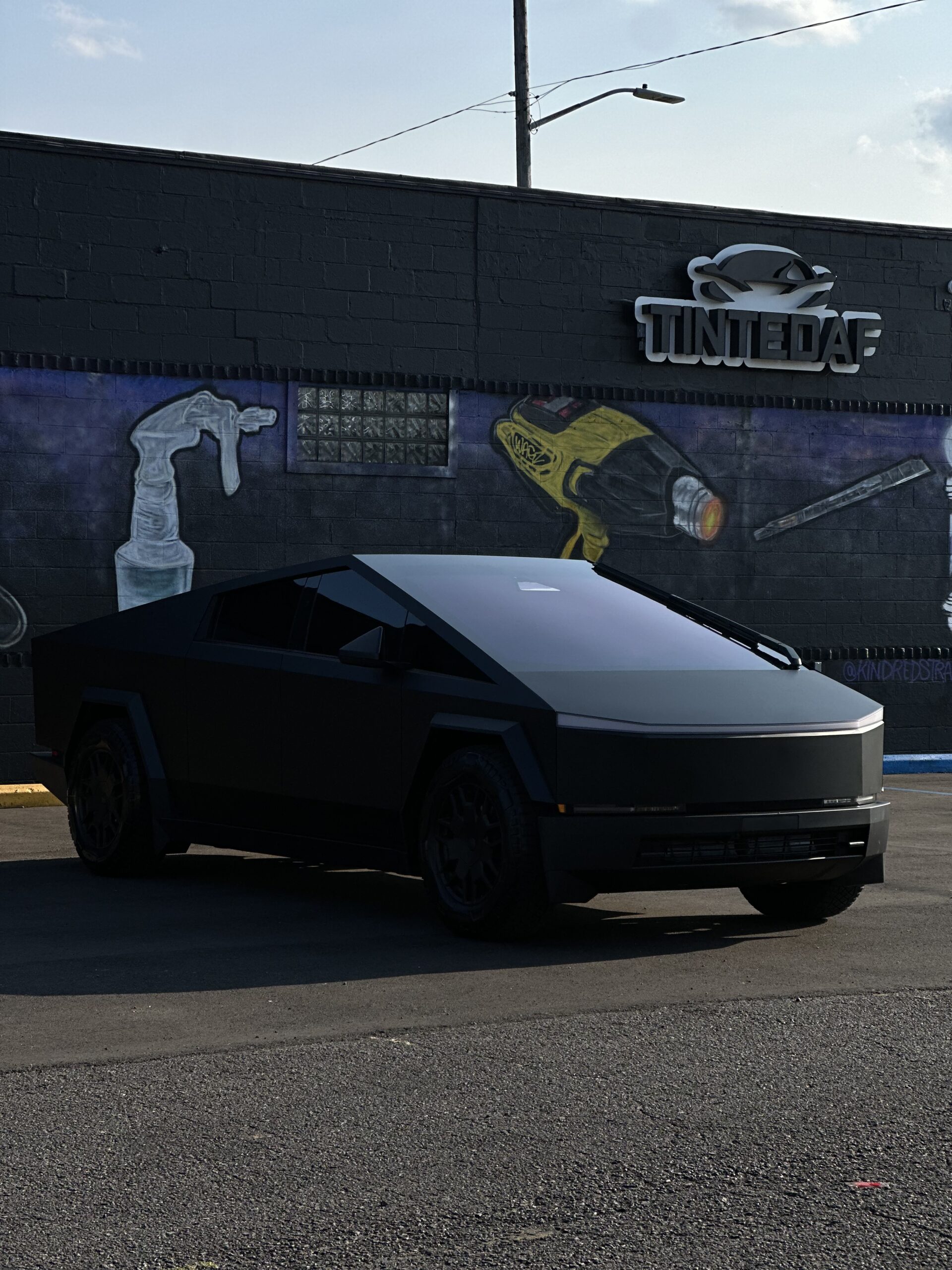
Finding the right window tinting shop in Michigan can transform your driving experience while protecting your vehicle’s interior from the elements. Michigan residents face unique challenges with harsh winters, intense summer sun, and specific state regulations that govern how dark your tint can be. The decision to tint your vehicle windows goes beyond aesthetics; it’s about comfort, protection, and making a smart investment in your car’s longevity. Whether you’re commuting through Detroit traffic, cruising along the lakeshore, or making long trips across the state, quality window tinting makes every drive more comfortable and protects what matters most.
Understanding what separates exceptional automotive window tinting from mediocre work makes all the difference in getting lasting value from your investment. The right shop combines technical expertise, quality materials, legal knowledge, and superior customer service to deliver results that last for years. You want a tinting solution that blocks harmful UV rays, reduces interior heat, enhances privacy, and complies with Michigan’s specific regulations. This guide will help you navigate the options available and understand what to look for when choosing a window tinting provider in Michigan.
Why Vehicle Window Tinting Matters in Michigan’s Climate
Michigan’s weather patterns create a compelling case for automotive window tinting. You’re dealing with temperature extremes that range from scorching summer days exceeding 90 degrees to freezing winter conditions. This climate variance puts significant stress on your vehicle’s interior and creates discomfort during your daily commute.
Protection from UV Rays Year-Round
Have you ever noticed how the sun feels just as intense on a clear winter day as it does in summer? That’s because harmful UV rays penetrate through vehicle windows regardless of the season. Quality window tinting in Michigan blocks up to 99% of these ultraviolet rays, protecting your skin from potential damage during your daily drive. Beyond health benefits, this protection extends to your car’s interior, preventing dashboard cracking, seat fading, and that aged appearance that diminishes resale value. The leather seats you invested in stay supple and rich looking, while plastic trim pieces maintain their original color instead of turning gray and brittle.
Temperature Control and Comfort
Window tinting acts like sunscreen for your vehicle, reflecting solar heat before it enters your cabin. During Michigan’s humid summers, this means your air conditioning doesn’t have to work overtime to maintain comfortable temperatures. You’ll notice reduced glare on your dashboard screens and less eye strain during those long drives along I-75, I-94, or M-59. The difference becomes immediately noticeable when you return to your parked car on a hot afternoon; tinted vehicles typically measure 10-15 degrees cooler than untinted ones. This temperature regulation also reduces fuel consumption since your AC system runs more efficiently when fighting less initial heat.
Understanding Michigan’s Window Tinting Laws
Before you schedule any window tinting in Michigan, you need to know the legal boundaries. Michigan maintains specific regulations that balance driver safety with the benefits of tinted windows.
Legal Tint Limits for Vehicles
Michigan law allows a 4-inch strip of tinting across the top of your windshield, but the rest must allow more than 35% of light to pass through. For front side windows, the law requires more than 35% visible light transmission (VLT). Back side windows and rear windows have no restrictions, giving you more flexibility for privacy and heat reduction in those areas. These regulations exist to ensure law enforcement can see into vehicles during traffic stops and to maintain adequate visibility for safe driving conditions. Understanding these limits helps you make informed decisions about film darkness for different windows on your vehicle.
Avoiding Violations and Fines
Violating Michigan’s tinting laws can result in fix-it tickets and fines that range from $100 to $500 depending on the violation severity. Police officers can use light meters to measure your window tint darkness during traffic stops. Working with a knowledgeable window tinting shop in Michigan ensures compliance with state regulations while maximizing the benefits you receive. Professional installers understand exactly where the legal boundaries lie and can recommend the darkest legal options for each window position. They’ll help you achieve the look and performance you want without risking legal complications down the road.
Types of Automotive Window Tinting Available
The automotive window tinting industry has evolved significantly beyond the basic dyed films of decades past. Today’s options offer varying levels of performance, longevity, and price points to match different needs and budgets.
Ceramic Tinting Technology
Ceramic film represents the premium tier of window tinting in Michigan. These films use nano-ceramic particles that block infrared heat without interfering with electronic signals. Your GPS, cell phone, and radio reception remain unaffected, which addresses a common complaint about older metallized films. Ceramic tinting provides superior heat rejection, often blocking 50% or more of solar heat, while maintaining excellent visibility both day and night. The clarity remains consistent over time, and the film won’t fade or discolor even after years of Michigan sun exposure. The initial investment costs more, but the longevity and performance justify the price for vehicle owners who want the absolute best protection and comfort.
Carbon Film Options
Carbon films occupy the middle ground between budget and premium options. These films contain carbon particles that provide good heat rejection and a matte finish that many people find aesthetically appealing. Unlike dyed films, carbon won’t fade to purple over time, maintaining its appearance for years. The heat blocking capabilities surpass basic dyed films, though they don’t quite match ceramic performance. For Michigan drivers seeking solid performance without the premium price tag, carbon films offer an excellent balance. They provide significant UV protection, reasonable heat rejection, and a sleek appearance that enhances your vehicle’s overall look.
Dyed and Metallized Films
Dyed films work primarily by absorbing light and heat, making them the most affordable option. They provide privacy and some UV protection but offer limited heat rejection compared to newer technologies. These films are suitable for drivers primarily concerned with aesthetics and privacy rather than maximum heat blocking. Metallized films incorporate tiny metallic particles that reflect heat and strengthen the window. While they perform better than dyed films for heat rejection, they can interfere with electronic devices like GPS and cell phones. Some newer metallized formulations have reduced this interference, but it remains a consideration when choosing this film type.
What Makes a Quality Window Tinting Shop in Michigan
Not all tinting shops deliver the same level of service or quality. Several factors distinguish exceptional providers from those who cut corners or lack proper expertise.
Professional Installation Standards
The installation process determines whether your tint lasts ten years or starts peeling after six months. Professional installers work in controlled, dust-free environments to prevent contamination during application. They use precision cutting tools to ensure films fit perfectly without gaps or overlaps. The difference between a quality installation and a poor one becomes apparent within weeks, as inferior work develops bubbles, creases, or edge lifting. Experienced technicians understand how different film types behave and adjust their techniques accordingly, ensuring proper adhesion and appearance. They carefully remove door panels when necessary to tuck film edges properly, creating seamless results that look factory-installed.
Warranty Coverage and Guarantees
Reputable shops stand behind their work with comprehensive warranties that cover both the film and installation. Manufacturer warranties typically guarantee against fading, bubbling, and peeling for a specified period, often five years or more for quality films. Installation warranties should cover any defects in application, including bubbling or adhesion failures. Before committing to a shop, ask specific questions about what the warranty covers and how long it lasts. A shop that offers limited or vague warranty information may not have confidence in their work quality. The best window tinting shops in Michigan provide clear, written warranties that give you peace of mind about your investment.
TINTEDAF: Expert Automotive Window Tinting
When searching for professional window tinting in Michigan, TINTEDAF has established a reputation for quality workmanship and customer satisfaction. Their approach combines technical expertise with customer education, ensuring clients understand their options and make informed decisions about their vehicle’s tinting needs.
Specialized Automotive Services
TINTEDAF provides comprehensive automotive tinting solutions for all vehicle types, from compact cars to large SUVs and trucks. Their services extend beyond basic window tinting to include paint protection film, which guards your vehicle’s finish against rock chips, minor scratches, and road debris. This additional service complements window tinting by providing complete vehicle protection inside and out. The technicians at TINTEDAF stay current with the latest film technologies and installation techniques, ensuring you receive cutting-edge solutions backed by proven methods. They work with premium film brands that offer superior performance and longevity compared to budget alternatives.
Customer Experience and Satisfaction
The measure of any service business lies in how customers feel after the work is complete. TINTEDAF has built its reputation through consistent quality and transparent communication throughout the process. Clients frequently mention the thorough consultation process, where technicians explain different film options and help match products to specific needs and budgets. The attention to detail during installation and the clean, professional results have earned positive feedback from vehicle owners across Michigan. When you’re investing in window tinting, working with a shop that prioritizes your satisfaction makes the experience significantly better. The team at TINTEDAF takes time to answer questions, provide realistic expectations, and ensure you’re completely happy with the final results.
Cost Factors for Window Tinting in Michigan
Understanding pricing helps you budget appropriately and recognize value when you see it. Several variables influence the final cost of your automotive window tinting project.
Film quality represents the most significant cost factor. Basic dyed films might cost $150-$300 for a standard sedan, while premium ceramic films can range from $400-$800 or more for the same vehicle. The number and size of windows affects pricing, with larger vehicles like SUVs and trucks costing more than compact cars due to increased material and labor requirements. Specialty vehicles with curved or complex window shapes may require additional time and expertise, potentially increasing costs. Labor costs reflect the installer’s expertise, and while you might find cheaper options, the risk of poor installation often negates any savings. Many quality shops offer package deals that provide better value than individual window pricing, and financing options may be available for premium film selections.
Maintaining Your Tinted Vehicle Windows
Proper maintenance extends the life of your window tinting and keeps it looking fresh for years. Taking care of your investment requires minimal effort but provides significant returns in longevity and appearance.
After installation, avoid rolling down your windows for three to five days to allow the adhesive to cure completely. This waiting period is crucial for proper bonding, especially in Michigan’s variable weather conditions. Clean tinted windows with a soft cloth and ammonia-free cleaning solutions, as ammonia can break down the tinting adhesive over time. A simple mixture of mild soap and water works perfectly for regular cleaning. Avoid using abrasive materials, paper towels, or scrapers that could scratch the film surface. If you notice any bubbling or peeling edges, contact your installer promptly, as these issues often fall under warranty coverage if addressed quickly. With minimal care, quality window tinting should maintain its appearance and performance for a decade or more.
Conclusion
Choosing window tinting in Michigan requires consideration of climate factors, legal requirements, film quality, and installer expertise. The investment in quality automotive window tinting pays dividends through UV protection, temperature control, privacy, and aesthetic enhancement while preserving your vehicle’s interior value. Michigan’s unique weather patterns make window tinting more than a luxury; it’s a practical upgrade that protects your investment and improves comfort year-round. Take time to research your options, ask questions about warranties and film types, and choose a provider with proven expertise in delivering quality installations. Professional window tinting transforms your driving experience while providing lasting protection that enhances both comfort and vehicle value.
FAQs
Q1: How long does professional automotive window tinting take to install?
Most vehicle tinting jobs take 2-4 hours depending on the number of windows and vehicle type. Sedans typically require less time than SUVs or trucks due to fewer and smaller windows. Complex vehicles with curved glass or multiple panels may require additional installation time to ensure proper fitting and adhesion.
Q2: Can I wash my car immediately after getting window tinting installed?
You should wait at least 3-5 days before washing your vehicle after window tinting installation. This allows the adhesive to cure properly and prevents water from getting between the film and glass. When you do wash your car, avoid high-pressure sprays directly on window edges where the film meets the glass.
Q3: Will window tinting affect my vehicle’s electronics or GPS signal?
Ceramic and dyed films don’t interfere with electronic signals, making them ideal for modern vehicles with multiple electronic systems. Metallized films can potentially disrupt signals, though modern formulations have minimized this issue. Discuss your concerns with your installer to ensure you select appropriate film types for your vehicle’s needs.
Q4: How dark can I legally tint my windows in Michigan?
Michigan law requires front side windows and windshields (below the 4-inch strip) to allow more than 35% of light through. Rear side windows and rear windshields have no legal restrictions, giving you flexibility for darker tint in those positions for enhanced privacy and heat reduction.
Q5: Does window tinting really make a difference in Michigan summers?
Yes, quality window tinting can reduce interior temperatures by 10-15 degrees and block up to 60% of solar heat depending on the film type. This significant temperature reduction improves comfort, reduces AC workload, and can improve fuel efficiency during hot Michigan summers when air conditioning systems work hardest.